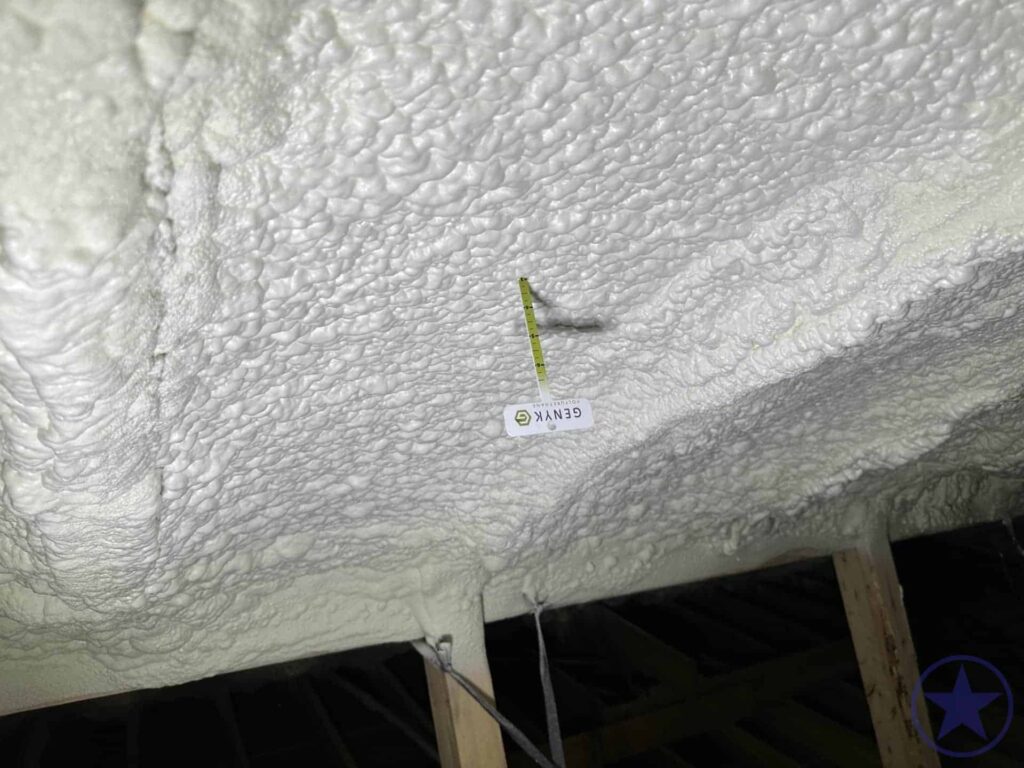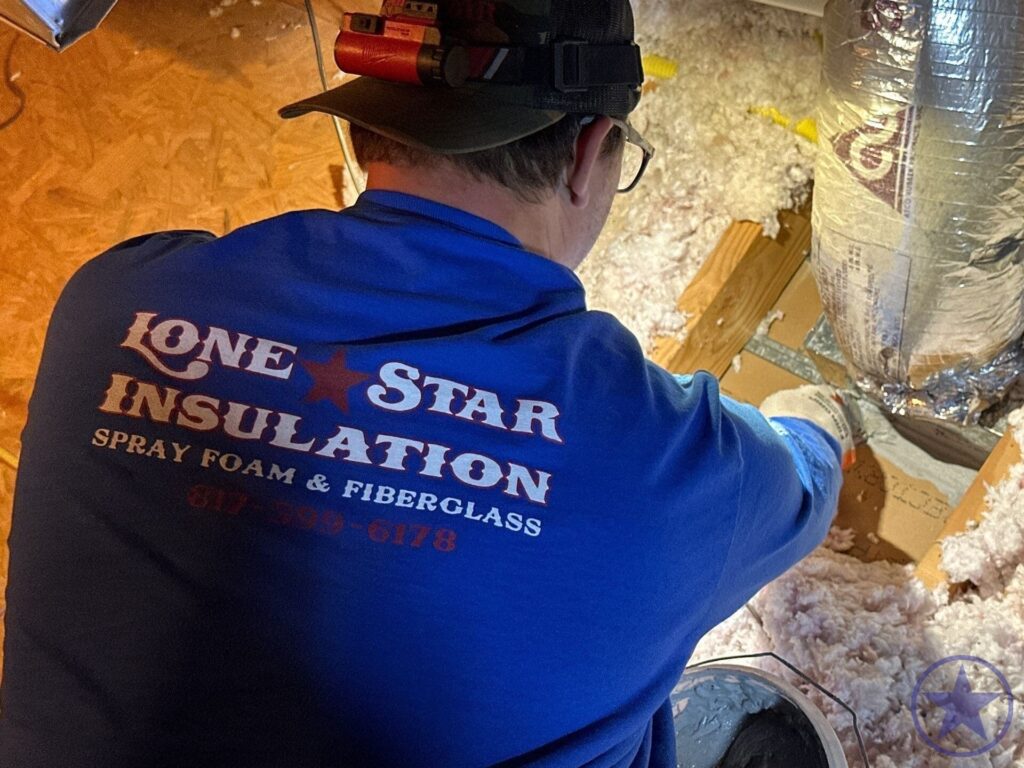
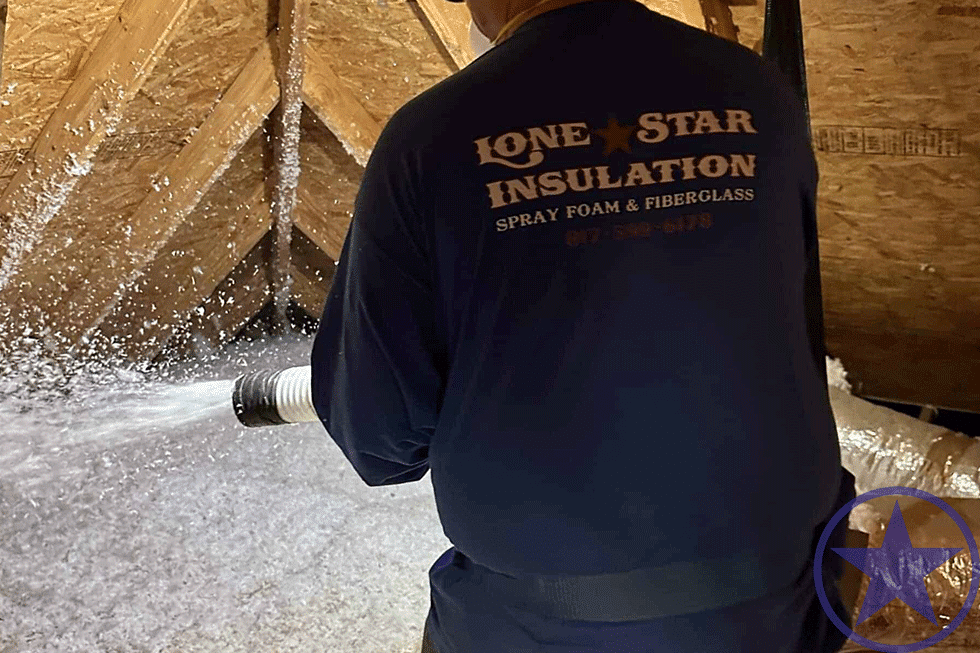
Comfort problems in most homes come from two places: heat moving through the attic/walls, and air leaking through gaps you can’t see. The fastest way to fix “hot upstairs” and “cold back bedrooms” is usually a coordinated upgrade: air sealing first, then insulation depth where it matters. If you’re searching for Attic and Wall Insulation in Fort Worth, you want your house to feel normal. You want a bedroom that doesn’t run 5 degrees hotter than the hallway. You want the AC to stop grinding all day. You want fewer drafts when it’s windy.
This guide breaks down what attic and wall insulation actually changes, how to choose the right approach for your home, and what to ask before you hire.
Why Do Fort Worth Homes Feel Uneven Room-To-Room?
Most “comfort complaints” trace back to a few repeat offenders:
- Attic heat gain + ceiling leaks. Hot air collects high, and so does leakage.
- Under-insulated exterior walls. You feel it as hot afternoon walls or chilly winter corners.
- Duct leakage (if ducts run in the attic). ENERGY STAR notes that in a typical house, about 20–30% of air moving through ducts can be lost due to leaks and poor connections.
Proof-of-human test: Pick the worst room in the house. Close the door, run the HVAC for 20 minutes, then check two things:
- How strong is the airflow at the supply register?
- Does the room feel “radiant hot” near an exterior wall or ceiling?
Decision rule: If airflow is weak, duct issues may be part of the problem. If airflow is fine but the room still bakes, you’re likely dealing with insulation + air leakage at the envelope.
How Does Attic Insulation Improve Comfort In Real Life?
Attic insulation works because it slows heat flow through the ceiling and roof assembly. DOE explains that most insulation materials slow conductive and convective heat flow, which helps limit heat gain in summer and heat loss in winter.
Where attic upgrades pay off fast:
- Second floors and bonus rooms that sit under a hot attic
- Homes with older, shallow insulation (a common Fort Worth-area pattern)
- Homes with leaky attic penetrations (lights, plumbing stacks, attic access)
Common mistake: Adding insulation without addressing air leaks first. ENERGY STAR’s “Seal and Insulate” guidance emphasizes sealing leaks and then insulating for better comfort and performance.
If you’re considering Attic and Wall Insulation in Fort Worth, treat the attic as a system: air sealing + insulation depth + proper coverage (no thin spots).
How Does Wall Insulation Improve Comfort (And When Does It Matter Most)?
Walls are your home’s side shield. When they’re under-insulated (or poorly insulated), you get:
- rooms that heat up faster in the afternoon sun,
- cold “corner zones” in winter,
- and that constant feeling that the thermostat is lying.
Wall insulation helps by slowing heat transfer through exterior walls. DOE’s overview of insulation explains the basic mechanism: slowing heat movement (conductive/convective) to stabilize indoor conditions.
Quick check: In the afternoon, put your hand on an exterior wall that gets sun exposure. If it feels noticeably warmer than an interior wall, wall insulation (or air leaks) may be contributing.
Decision rule: If attic upgrades didn’t fully fix comfort, and the hottest/coldest rooms are on exterior corners, walls often become the next lever, especially in older homes with little cavity insulation.
What Insulation Levels Should You Target For Comfort Upgrades?
You don’t need to guess. ENERGY STAR publishes cost-effective retrofit recommendations by climate zone.
From ENERGY STAR’s table:
- Zone 2: add R-49 to an uninsulated attic, or R-38 if you already have 3–4 inches
- Zone 3: add R-49 to an uninsulated attic, or R-38 if you already have 3–4 inches
(Exact zone depends on your county/code path, but the “R-38 to R-49 attic range” is a practical comfort target for many North Texas retrofits.)
Simple comfort-target table (attic-first mindset)
| Area | If you’re upgrading for comfort | What to verify |
| Attic | Work toward R-38 to R-49 total, depending on what you have now | Even coverage, no wind-washed thin spots |
| Walls | Add cavity insulation where feasible (especially older homes) | Fill quality + air leaks addressed |
| Ducts (if in attic) | Seal before/with insulation | ENERGY STAR notes 20–30% duct losses in typical homes |
Local factor: In Fort Worth-area homes, ducts commonly run through the attic. That makes attic insulation and duct sealing a “stacked” comfort play.
What Does A “Done-Right” Attic And Wall Insulation Upgrade Look Like?
If you want Attic and Wall Insulation in Fort Worth to actually change comfort, this is the order of operations:
-
Assessment
- Identify the worst rooms, measure attic insulation depth, and locate obvious air leak paths.
-
Air sealing (before you bury it)
- Seal attic bypasses and leaks first; ENERGY STAR provides project guidance for attic air sealing.
-
Insulation install (attic)
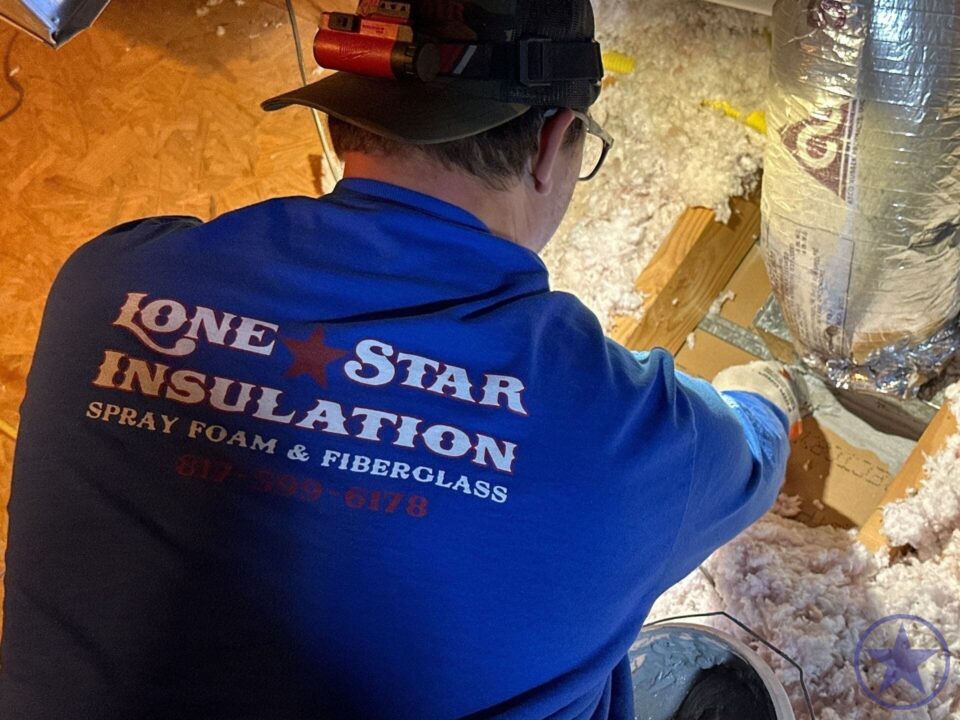
- Add insulation to the target depth with consistent coverage (blown-in or other method, depending on access).
-
Wall insulation strategy
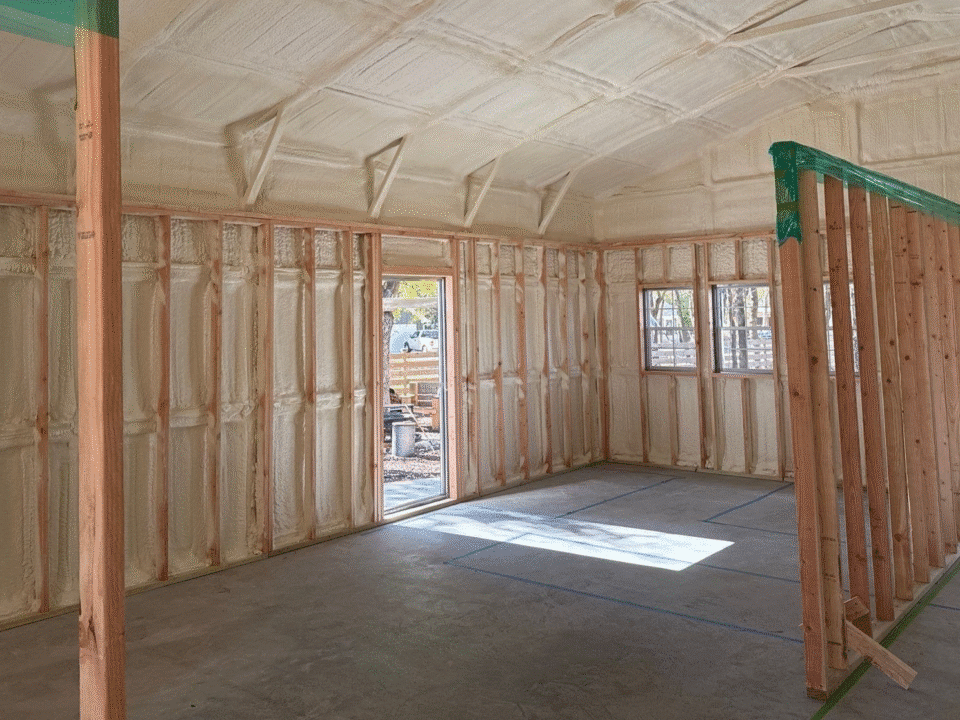
- Prioritize the hottest/coldest rooms; decide whether to insulate during remodel/siding work or via retrofit methods.
-
Optional: duct sealing
- If ducts are leaky, comfort gains get throttled. ENERGY STAR notes typical duct losses and recommends sealing accessible ducts with mastic or metal tape (not duct tape).
-
Verification
- Photos of attic depth markers, a walkthrough, and confirmation that the worst rooms improved.
Timeline driver: Access and prep. A clean attic (good clearance, limited storage) moves faster than a packed attic with tight access and lots of penetrations.
How Do You Choose Insulation Contractors In Fort Worth, Tx?
This is the hiring script that prevents “cheap quote, expensive redo.”
Ask every bidder:
- “How will you find and seal attic air leaks before insulation goes in?”
- “What total R-value (or depth) are you quoting for the attic?”
- “Will you provide before/after photos and depth verification?”
- “If walls are part of the plan, how will you prioritize rooms and access cavities?”
- “If ducts are in the attic, do you test/inspect for leakage and recommend sealing?”
If you’re specifically comparing insulation contractors in Fort Worth, TX, choose the one who writes the scope clearly (air sealing + insulation depth + verification). That’s what makes comfort predictable.
Conclusion
Comfort improves when your home stops fighting the outdoors. Attic and Wall Insulation in Fort Worth works best when you treat it as a system: seal the leaks, add the right insulation depth, and verify the result. If you’re pricing Blown-in insulation in Fort Worth or comparing insulation contractors in Fort Worth, TX, Lone Star Insulation can scope the work clearly and prioritize the changes that actually show up in your day-to-day comfort.
FAQs
Is blown-in insulation good for attics?
Yes, blown-in is commonly used for attic floors, especially where coverage needs to be even over large areas.
How do I know if I need blown-in insulation in Fort Worth?
If attic insulation is shallow/uneven or you have hot rooms under the attic, it’s a strong candidate. Many homeowners start by pricing Blown-in insulation in Fort Worth because it’s a high-impact upgrade for comfort.
Should I air seal before adding attic insulation?
Yes. ENERGY STAR’s guidance emphasizes sealing air leaks and then insulating for better results.
What attic R-value should I target?
ENERGY STAR’s retrofit table recommends targets like R-38 to R-49 for Zones 2–3, depending on existing insulation.
Will wall insulation really change comfort?
It often does, especially for exterior corner rooms and sun-exposed walls. If attic work helped but didn’t finish the job, walls are a common next step.
Can duct leakage ruin comfort even with good insulation?
Yes. ENERGY STAR notes that a typical home can lose 20–30% of air through duct leaks, which makes comfort harder to maintain.
How do I compare insulation contractors fairly?
Compare written scope: air sealing steps, attic depth/R-value target, wall approach, and verification. Don’t compare one-line bids.
Is spray foam required for comfort?
Not always. Many comfort wins come from air sealing + blown-in attic depth. Spray foam can be helpful for specific leakage zones, but it’s not mandatory for every home.


 Kristen Hull


 Elizabeth Clymer
 Chuck Lee
 Creeks Edge Cottages
 Eric Rohlfing
 Billy Atwood
 Leonard Sanmann
 jennifer westbrook
 Missy Alcocer
 B R
B R