Most homeowners don’t plan on replacing insulation. They notice something: a musty smell after rain, a sudden spike in energy use, dust that won’t quit, or a pest issue that turns the attic into a cleanup project. Fort Worth homes also take a beating from big temperature swings and storm seasons, which can expose roof leaks and ventilation issues fast. This guide breaks down when insulation removal is truly necessary, when it’s not, and what a “clean job” should include, especially if you also need an insulation removal contractor in Weatherford, TX.
What Are The Signs You Need Attic Insulation Removal In Fort Worth?
Here are the signals that removal is more than “nice to have.”
Quick homeowner checklist
- Insulation is wet or matted in sections (often near eaves or roof penetrations)
- You see staining on the insulation or roof decking that suggests ongoing moisture.
- There’s visible debris/contamination from pests or construction
- You’re planning major air sealing and can’t reach the leaks because insulation is in the way
- You’re dealing with damaged or poorly installed material (low/uneven coverage)
Common mistake: Assuming new insulation fixes a moisture problem. It doesn’t. If insulation is wet, the first job is identifying and correcting the moisture source. EPA’s mold guidance is blunt about porous materials: once they’re moldy, they may need to be discarded because mold can grow into the material and be difficult to remove completely.
Local factor: In Fort Worth, wind-driven rain and roof penetrations (vents, flashing points) can create “small leaks” that only show up as damp insulation first. If you see a wet spot, don’t just patch that area; find the cause.
When Can You Keep Existing Insulation Instead Of Removing It?
If your attic insulation is dry, reasonably even, and not contaminated, you may not need full removal. ENERGY STAR specifically notes that insulation can look dirty and still be usable, and that after sealing, you can often push it back into place rather than replace it.
Decision rule:
- If insulation is dry + not contaminated, consider air sealing first and then topping up where needed.
- If insulation is wet/contaminated or blocking access, removal becomes more likely.
This matters because the best performance gains usually come from sealing the big leaks before adding more R-value.
What Should You Never Disturb In An Attic (And Why)?
If you take nothing else from this blog, take this: don’t disturb vermiculite insulation.
EPA warns homeowners to assume vermiculite insulation may contain asbestos and recommends leaving it undisturbed because disturbing it can release fibers. So if your “Insulation Removal Fort Worth” project involves vermiculite, the next step is not grabbing a shop vac. The next step is getting a qualified professional who understands the correct precautions and disposal rules.
Common mistake: DIY removal because it “looks like pebbles.” Vermiculite often does. EPA’s guidance is clear: treat it as potentially asbestos-contaminated and avoid disturbing it.
What Does A Professional Insulation Removal Process Look Like?
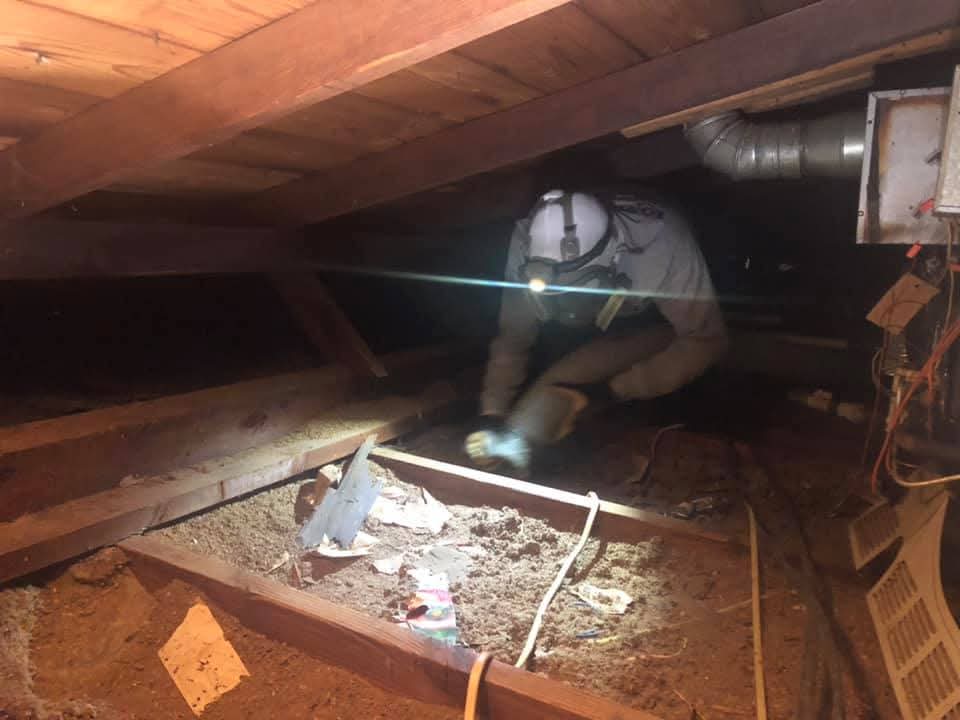
A real insulation removal in Fort Worth job should look controlled and methodical, not messy and rushed.
1. Assessment + hazard check
The crew checks insulation type, moisture, contamination, and whether materials like vermiculite may be present.
2. Containment and protection
They protect access paths, cover areas below the attic hatch, and plan debris handling.
3. Removal using proper equipment
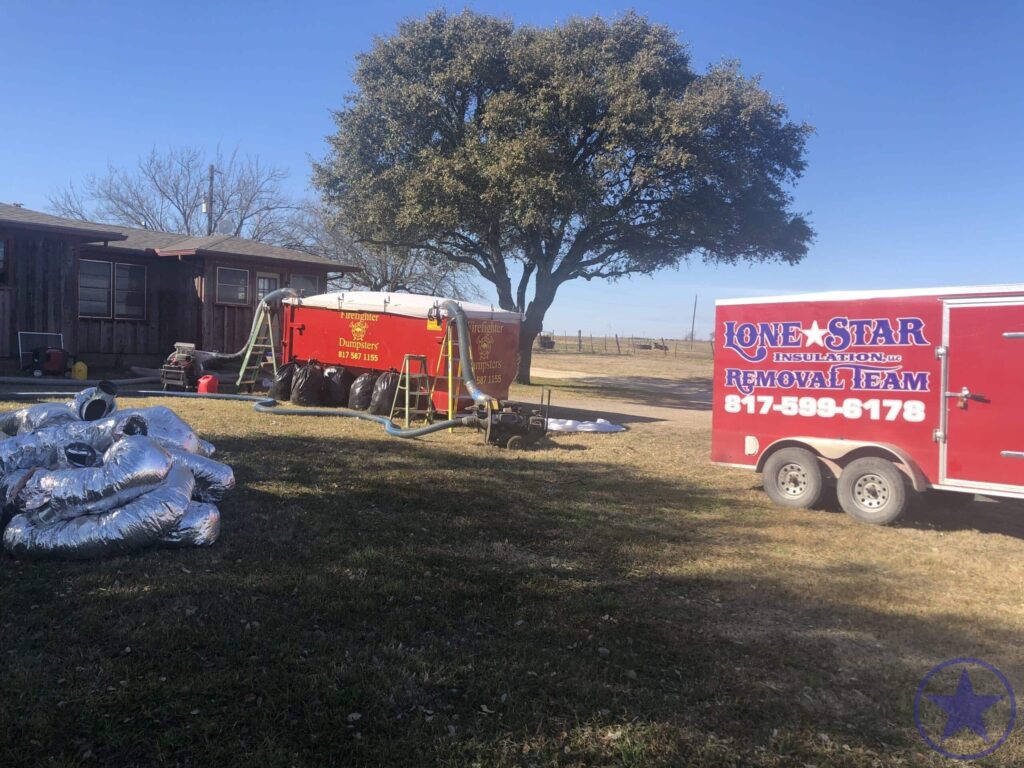
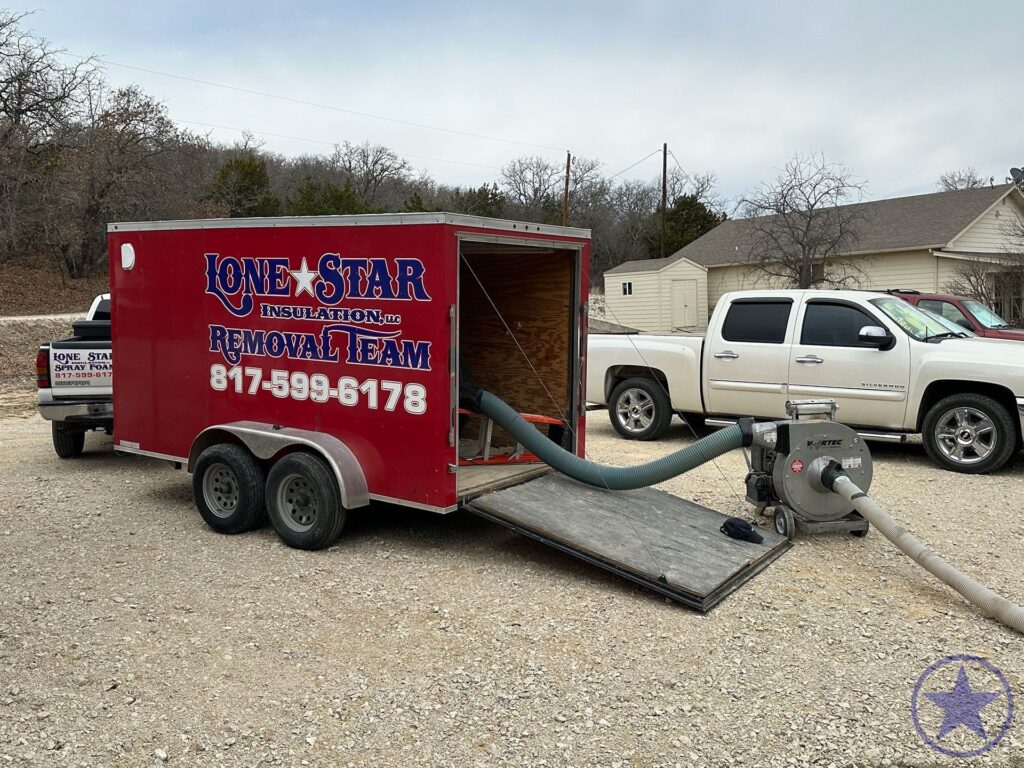
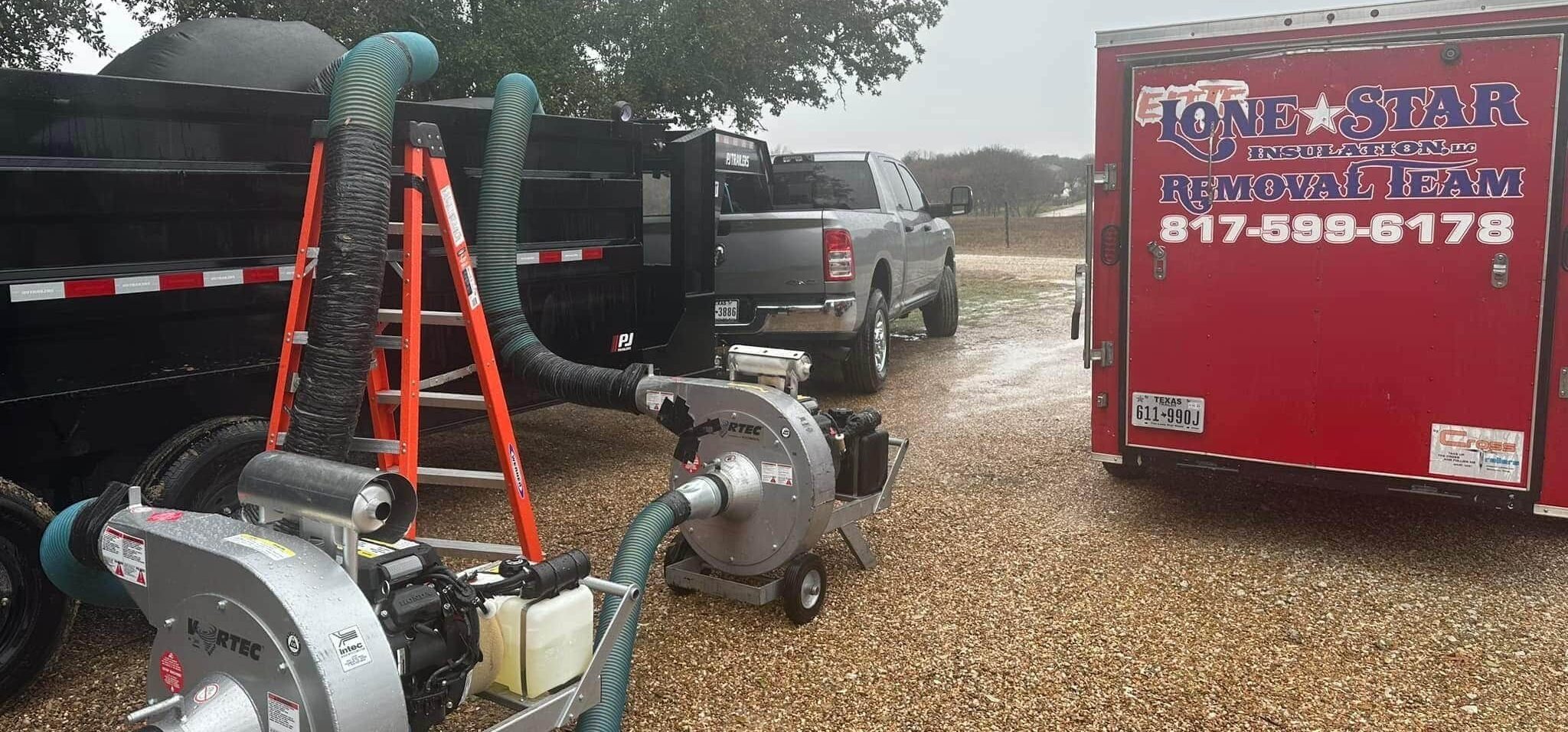
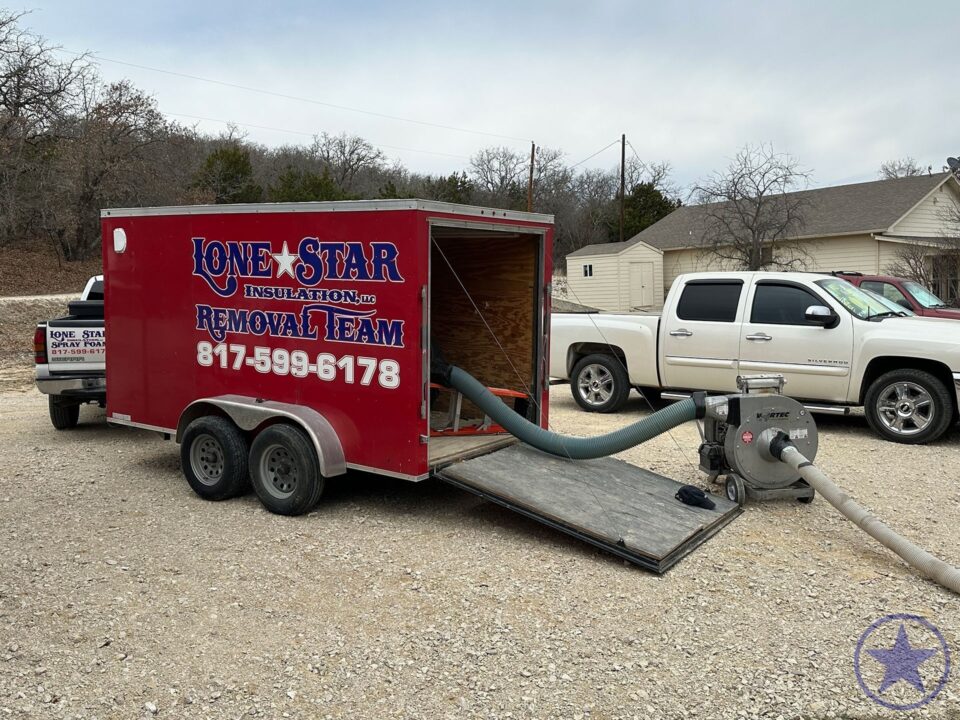
Loose-fill insulation is typically removed with high-powered vacuum equipment into sealed bags (common industry method; you’ll see it referenced by multiple contractors).
4. Targeted cleanup
The goal is a clean substrate, especially if you’re re-insulating or air sealing.
5. Air sealing (when in scope)
This is where the win is. ENERGY STAR’s attic guidance emphasizes air sealing before adding or re-leveling insulation.
6. Install new insulation (if needed)
Blown-in, batt, or spray foam, based on your plan and goals.
7. Verification walkthrough
You should see photos or a walkthrough showing what was removed, what was sealed, and what was installed.
Timeline reality: A straightforward attic can be done in a day. Complications (tight access, heavy contamination, vermiculite, multiple layers) can extend the job.
What Affects The Cost And Timeline For Insulation Removal In Fort Worth?
Instead of throwing out random price ranges, here are the cost drivers that make quotes go up or down.
| Cost driver | Why does it change the job | What you can do |
| Attic access and height | Tight or unsafe access slows everything | Clear a path to the attic hatch |
| Insulation type and depth | More material = more time and disposal | Ask what depth they’re removing |
| Moisture/contamination | Requires more careful handling | Fix leaks before new install |
| Number of layers | Old + new layers take longer | Request a scope that matches reality |
| Air sealing add-on | Adds labor but improves performance | Prioritize the biggest leak points |
| Vermiculite presence | Special precautions and rules apply | Do not disturb; ask about protocol |
How Do You Choose An Insulation Removal Contractor In Weatherford?
If you live outside Fort Worth and you’re searching for an insulation removal contractor in Weatherford, TX, the vetting questions stay the same. The best contractors don’t dodge specifics.
Ask these five questions.
- How do you identify insulation type (including vermiculite risk)?
- What containment steps do you use to keep debris controlled?
- Do you include air sealing after removal, and what leak points do you target first?
- How do you handle disposal and cleanup?
- What does verification look like (photos, walkthrough, depth checks)?
If you’re removing foam specifically, spray foam insulation removal in Weatherford, TX, ask about substrate prep and what the replacement plan is, because foam removal is a different scope than vacuuming loose-fill.
Conclusion
A good Insulation Removal Fort Worth project isn’t just cleanup, it’s preparation for a home that performs better. The smart approach is simple: identify hazards (especially vermiculite), address moisture, remove what truly needs removing, then air seal before reinstalling or topping up insulation. If you’re also comparing options in Parker County and need an insulation removal contractor in Weatherford, TX, focus on the contractor’s process: containment, verification, and a clear plan for what comes next.
For insulation removal, attic and wall insulation, spray foam, and air/duct sealing in Weatherford and the surrounding Fort Worth area, contact Lone Star Insulation, LLC.
FAQs
How do I know if I need insulation removal or just more insulation?
If insulation is dry and not contaminated, you may be able to air seal and top up instead. ENERGY STAR notes you often don’t need to remove existing insulation, especially if it’s simply dirty.
Is insulation removal in Fort Worth a DIY project?
Sometimes small cleanups are possible, but hazards change the risk fast. If you suspect vermiculite, EPA recommends leaving it undisturbed because it may contain asbestos.
What if my insulation is wet?
Wet insulation usually means a moisture source needs to be fixed first. EPA notes porous materials may need to be discarded if moldy because it can be difficult to remove completely.
Do I need to remove insulation before air sealing?
Not always. ENERGY STAR’s guidance describes sealing first and then pushing insulation back into place, especially for attic air sealing projects.
How long does attic insulation removal take?
Many standard attics can be handled in a day, but access issues, multiple layers, and contamination can extend the schedule.
What should be included in an insulation removal service?
Assessment, controlled removal, cleanup, and a clear plan for air sealing and replacement (if needed). If a bid is vague, ask for the exact scope.
Can you remove insulation and air seal on the same visit?
Often yes, depending on the scope and attic conditions. Sealing the major leaks before adding new insulation is a standard best practice highlighted in ENERGY STAR guidance.


 Kristen Hull


 Elizabeth Clymer
 Chuck Lee
 Creeks Edge Cottages
 Eric Rohlfing
 Billy Atwood
 Leonard Sanmann
 jennifer westbrook
 Missy Alcocer
 B R
B R