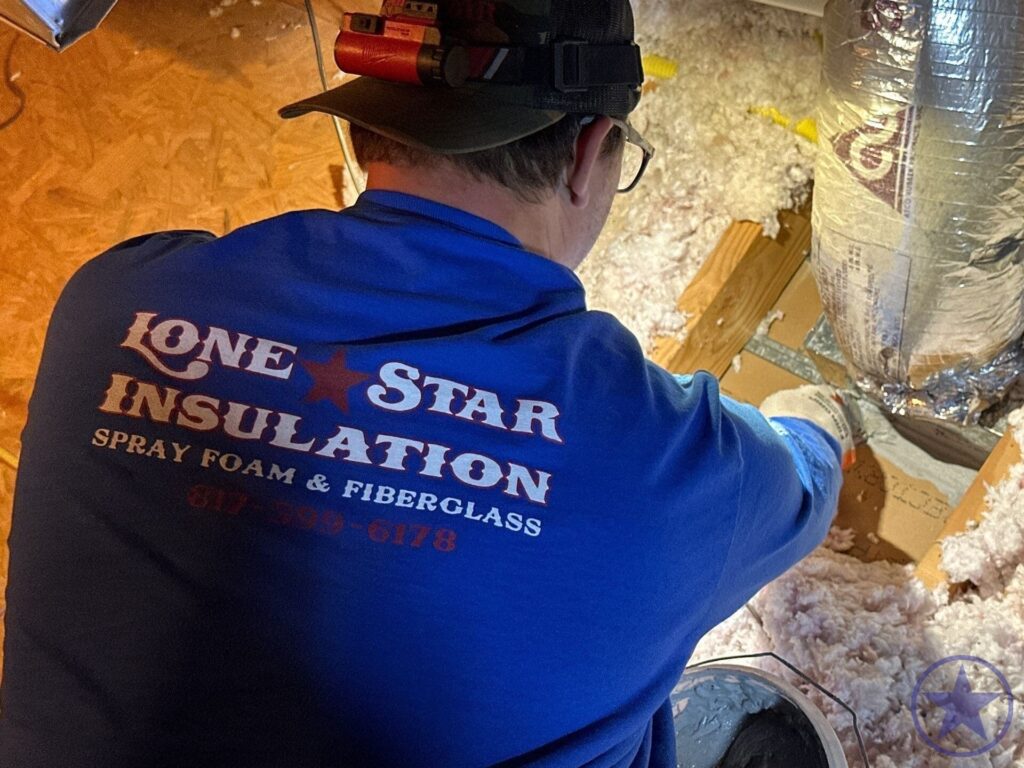
You might wonder why your home feels drafty, or your energy bills are soaring. Signs You Need Attic Insulation often hide right above your head, out of sight and out of mind. This post will walk you through attic insulation signs, attic heat loss, and the sneaky ways air leaks can drain your wallet.
Don’t let those hidden problems keep costing you money; catch them fast!
Signs Your Attic is Costing You Money
Your attic might be leaking your hard-earned cash. Watch out for energy bills that shoot up or rooms that feel like ovens one minute and iceboxes the next.
High Energy Bills
High electric bills love to sneak up on you, especially in a Texas summer. Poor attic insulation or missed attic air sealing lets that pricey cooled air slip right out the roof. HVAC systems have to work double-time just to keep rooms comfortable.
A few gaps or thin insulation over time means you pay more each month for less comfort. “If your AC unit seems tired but keeps running, check above before blaming below,” as our tech Matt says.
An attic insulation upgrade stops those hidden energy losses where they start. Pay attention if bills spike after weather changes; it’s often a sign your attic is leaking air and costing you every day.
Uneven Room Temperatures
Cold fronts on your energy bill usually go hand-in-hand with rooms that feel like a tug-of-war between summer and winter. You might notice bedrooms baking while the living room feels chilly, even when your HVAC system works overtime.
In our crew’s jobs across Weatherford and the DFW area, these hot and cold spots point straight to attic insulation trouble or signs your attic is leaking air.
Gaps in insulation let heat sneak out during winter and pour in during Texas summers, driving up costs fast. Poor attic ventilation locks moisture inside, making one room muggy while another stays dry as toast.
If you hear family members arguing about thermostat settings every day or business tenants keep calling about stuffy spaces, it’s time to check if attic insulation replacement could fix the problem for good.
Persistent Drafts
Texas homes with uneven room temperatures often face another comfort issue, persistent drafts. You might notice a breeze around light switches, attic doors, or even from your ceiling fixtures.
Drafts enter when insulation gaps let outside air move indoors. Older attic insulation rarely covers every nook and cranny, leaving cracks open for gusts to pass through.
Drafty spots may seem harmless at first glance; over time, they force your HVAC system to work harder. Your heater or A/C will run longer while never quite reaching the temperature you set.
Even small holes along attic hatches or recessed lights can waste energy dollars quickly. Many Texas business owners we help don’t notice these leaks until their crew starts complaining about temperature changes near vents or corners of the workspace.
Ice Dams on the Roof
Ice dams can sneak up on you, especially after a long Texas winter. These tricky formations happen when snow melts from your roof and refreezes at the eaves. This cooling creates a dam of ice that traps water behind it.
Water buildup often leads to leaks inside your attic and walls. You might see stains on ceilings or even peeling paint. If you’ve spotted any of these signs, it’s time to act before the damage worsens.
Ice dams complicate your roofing situation and may also raise your energy costs.
Preventative measures save you from expensive repairs in the future.
Visible Moisture or Mold
Ice dams can lead to more than just a snowy roof. They often cause visible moisture or mold in your attic. Any sign of mold is a red flag. It indicates that warm air from your living space is escaping into the attic and creating humidity problems.
Mold thrives on moisture, and once it takes hold, it poses health risks and damages wood structures.
Check for dark patches or fuzzy growth on surfaces in the attic. If you spot any, take action fast; you might need professional help to eliminate them properly. Your Texas home should feel safe and comfortable, not damp and musty.
Tackling visible moisture now will save you money later by avoiding costly repairs down the line.
Pest Infestations in the Attic
Moisture and mold in your attic can attract pests. Rodents, raccoons, and insects love damp environments. They seek shelter in dark corners. Once they find a way in, these unwanted guests can cause significant damage.
Signs of pest infestations include droppings or chewed wires. You might hear scratching sounds at night or notice oddly placed nests. Keep an eye out for trails of dirt leading to entry points as well; this often indicates a larger issue lurking above your ceiling.
Regular inspections help catch these problems early before they become costly repairs down the line.
How to Check if Your Attic Needs Attention
Inspect your attic’s insulation. Look for thin spots or wear that could signal poor performance. Check for gaps and air leaks around vents and ducts, too. These issues can drain your energy efficiency faster than a leaky faucet!
Inspect Insulation Depth and Condition
Check the insulation depth in your attic. Good insulation should be about 10 to 14 inches thick, depending on the type. Look for compacted or uneven spots; these indicate that your insulation isn’t performing well.
Pay attention to any signs of wear or moisture damage. If you see water stains or mold, that can lead to significant problems later.
Consider the condition of your insulation as well. Damaged or old material won’t keep your home energy-efficient. Uneven layers can lead to drafts and higher energy bills. After assessing the insulation, move on to identify gaps or air leaks in your attic space to pinpoint other issues affecting efficiency.
Look for Gaps or Air Leaks
Inspect your attic for gaps or air leaks. Air can sneak in through cracks around vents, chimneys, and ductwork. Even small openings allow hot air to escape in summer and cold air to enter during winter. This loss of conditioned air drives up your energy bills.
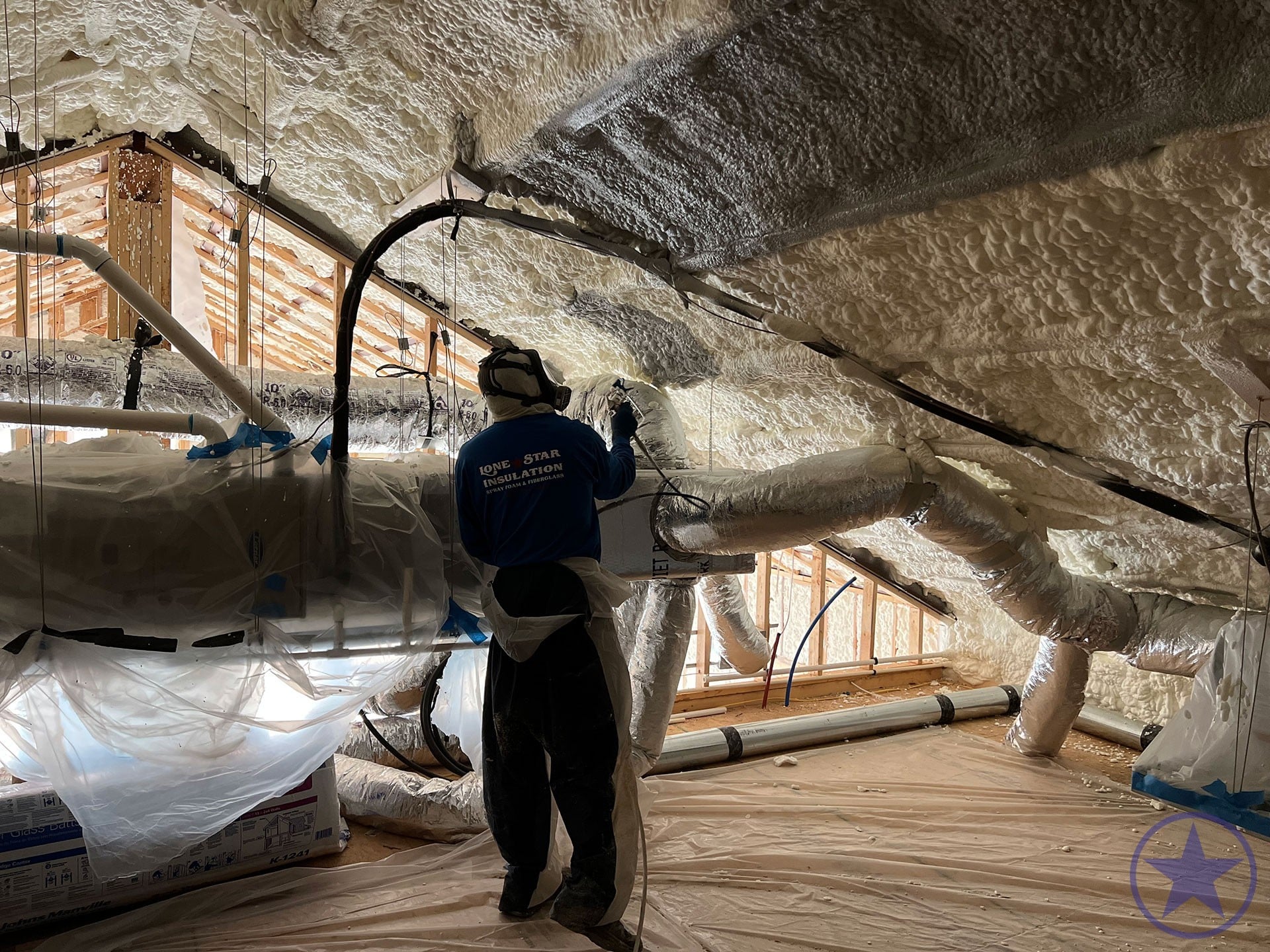
Use spray foam or caulk to seal these gaps. You might also check the edges where walls meet the roof; they often hide leaks, too. Taking these steps will help improve your home’s efficiency and keep those costs down.
Solutions to Fix an Inefficient Attic
Your attic might be leaking money. Upgrading your insulation can save you a bundle on energy bills, while sealing air leaks helps keep your home cozy and comfortable all year round.
Upgrade or Add Insulation
Upgrade your insulation or add more to make your attic snug and energy-efficient. Proper insulation helps keep the Texas heat outside and maintains comfort inside. Old or insufficient insulation lets air escape and raises your energy bills.
Investing in quality insulation can prevent that waste, saving you money.
Consider using fiberglass insulation; it is excellent for Texas homes. If you notice areas with inconsistent temperatures, upgrading will help balance things out. More insulation reduces drafts, too, making every corner of your home cozy year-round.
Seal Air Leaks
Sealing air leaks plays a crucial role in attic efficiency. Tiny gaps and cracks can let in unwanted outside air, raising your energy bills significantly. You might feel drafts while sitting at home or notice hot spots on warm days.
Start by inspecting areas around vents, pipes, and electrical outlets; these are common leak points. Use caulk or weather stripping to seal up the gaps you find. This simple step can help keep your home comfortable year-round and save you money on energy costs over time.
Insulation Removal and Replacement
Outdated insulation can impact your home’s energy efficiency. It may contain mold, pests, and allergens. Over time, wear and tear diminish its effectiveness, resulting in increased energy costs.
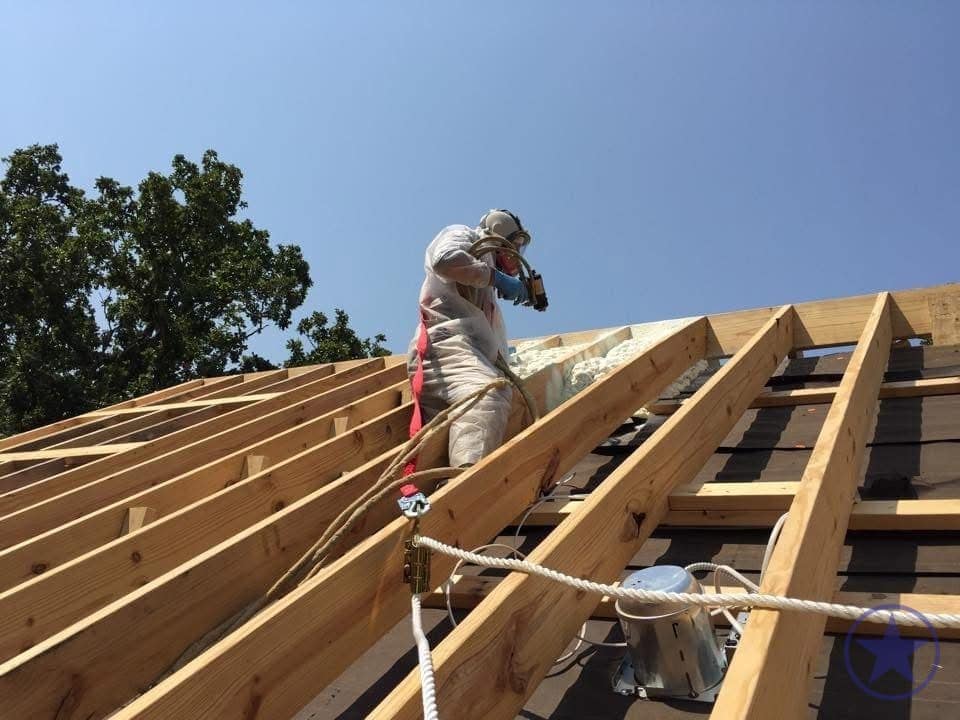
Removing insulation allows for the installation of new materials that perform better than the older ones.
The replacement process includes a comprehensive inspection of your attic. Technicians will carefully remove old insulation while assessing any damage to the structure. After the cleanup, they will install high-quality insulation suited to your needs.
This upgrade can greatly enhance comfort levels in your home or business and reduce those bothersome energy bills.
Blown-in Insulation for Attic Efficiency
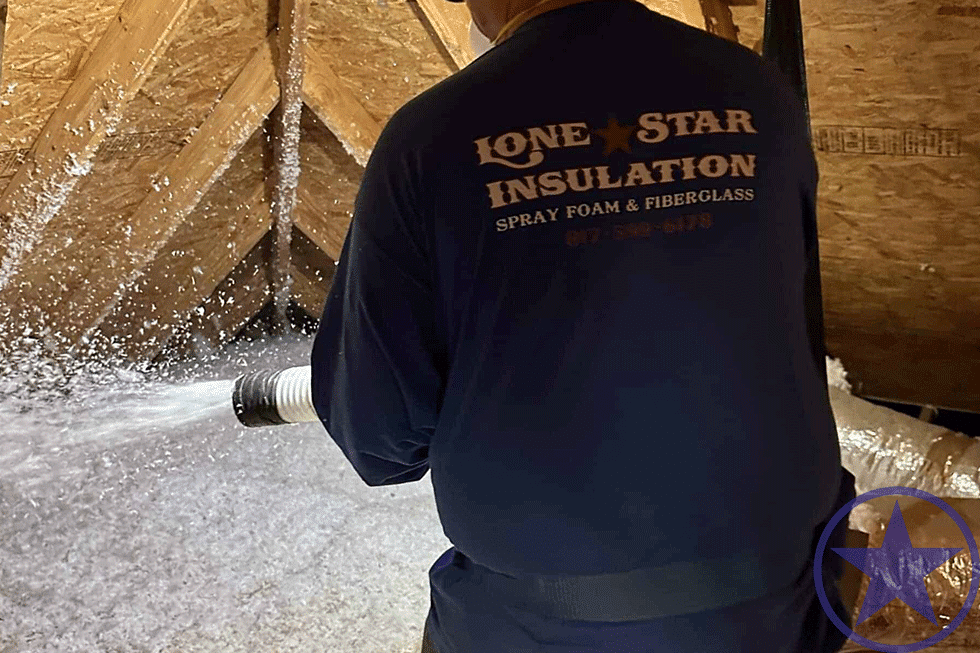
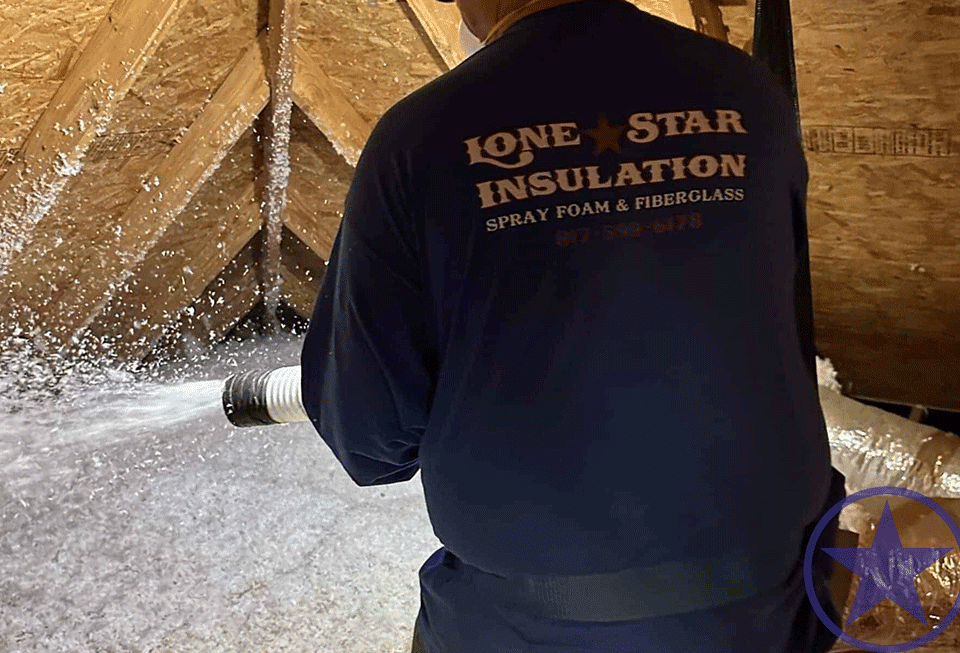
Blown-in insulation offers a great solution for boosting attic efficiency. This material fills in every nook and cranny, creating a tight barrier against heat loss. It expands easily to cover hard-to-reach areas, ensuring uniform coverage throughout your attic.
As temperatures drop or rise outside, you’ll feel the difference inside.
Installing blown-in insulation can lower energy bills significantly. You will notice fewer drafts and more consistent room temperatures after the upgrade. With this simple change, your home becomes cozier while saving you money in the long run.
Consult a Professional for an Energy Assessment
Consulting a professional for an energy assessment offers valuable insights into your home’s efficiency. Experts can evaluate your attic and identify areas affecting your finances.
They will use tools to measure insulation quality, air leaks, and overall energy performance.
Your peace of mind starts with this step. Lone Star Insulation has seen many homes benefit from these assessments in Texas. Property owners often discover simple fixes that lead to substantial savings on energy bills.
Don’t miss the chance to enhance comfort while lowering costs; bringing in a pro like us can make a significant impact.
Conclusion
Your attic might be silently draining your wallet. Ignoring signs when you need attic insulation, like high energy bills and ice dams, can lead to bigger problems. Take a moment to inspect the space overhead. If you spot mold or pests, it’s time for action! Addressing these issues now will save you money in the long run.
Keep your home comfortable and your expenses down by giving that attic the attention it needs.
FAQs
1. How can my attic make my energy bills higher?
A drafty or poorly insulated loft lets air escape. Your heater and cooler work double-time, so your wallet feels the squeeze.
2. What signs show I am losing money because of my attic?
Look for damp rafters, odd smells, frost on beams in winter, and piles of old insulation flattened like pancakes. If you spot critter droppings or daylight peeking through cracks, that is a red flag too.
3. Why do most homeowners miss these warning signs?
Folks rarely poke their heads into the crawlspace above their ceiling unless there is a leak or noise at night. Out of sight means out of mind, until those utility bills start climbing like ivy up a brick wall.
4. Can fixing attic problems really save me cash?
Yes, sealing gaps and adding fresh padding stops drafts cold. You might see lower heating and cooling costs after repairs, sometimes by as much as 20 percent each year if your house was leaking badly before.


 Kristen Hull


 Elizabeth Clymer
 Chuck Lee
 Creeks Edge Cottages
 Eric Rohlfing
 Billy Atwood
 Leonard Sanmann
 jennifer westbrook
 Missy Alcocer
 B R
B R