Have you noticed drafts sneaking in through your walls, or rooms that just won’t hold a comfortable temperature? You’re dealing with something every Texas homeowner faces at some point. The right exterior wall insulation can make those hot summers and surprise cold snaps way more manageable.
We’re going to walk you through picking insulation that actually works for your home, your climate, and your budget. From our team at Lone Star Insulation, we’ve seen what helps homes in Weatherford and across the DFW area stay comfortable year-round. Let’s figure this out together.
Key Factors to Consider When Choosing Exterior Wall Insulation
Picking the right insulation for your exterior walls makes a real difference in comfort and cost. Your choice affects how hard your HVAC works, how much you spend each month, and whether your family stays comfortable when North Texas weather swings from one extreme to another.
R-value and energy efficiency
R-value tells you how well insulation blocks heat from pushing through your walls. A higher number means better protection against that relentless Texas sun. The recommended R-value for Texas wall insulation sits between R-13 and R-15.
When we install spray foam insulation in Weatherford homes, we often hit high R-values even in standard 2×4 walls, which stops heat before it reaches your living space. Fiberglass batts typically score lower on the R-value scale. But when paired with proper air sealing, they still help cut energy bills across commercial buildings and homes.
You can have thick insulation, but if you miss the gaps around outlets or windows, your energy savings leak right out. Spray foam gives you both a strong R-value and an airtight seal. The EPA estimates homeowners can save an average of 15% on heating and cooling costs by air sealing and adding insulation.
In Texas homes we’ve worked on since 2010, crawl spray foam insulation often reduces HVAC runtimes by measurable amounts after installation, a real benefit for those long DFW summers. Choosing the right R-value for your local climate matters. What suits Houston’s humidity won’t match what works for dry Fort Worth winds.
Wall type and thickness
Different wall types call for different insulation choices. A classic wood frame with 2×4 studs leaves about three and a half inches of space to fill. A 2×6 stud wall gives you five and a half inches to work with. Brick, block, and metal buildings all need unique exterior wall insulation options, too.
According to 2026 insulation cost data, wall thickness directly impacts which materials fit your project. Mixing the right fit makes your Weatherford home quieter and more comfortable year-round. Thicker walls hold higher levels of insulation, which means better energy savings in that dry Texas heat.
Insulation companies around here know that squeezing high R-value material into thin walls is tough. Spray foam or high-density batts often win out in tight spaces. For bigger cavities, like those in commercial metal buildings or newer homes with wider studs, blown-in or batt products pack in easily for solid results.
Climate considerations
North Texas throws you extreme summers exceeding 100 degrees and cold snaps that can damage pipes. According to North Texas climate zone maps, most of the DFW area sits in Climate Zone 3. This heat requires insulation rated to block summer temperatures while protecting against winter cold.
Spray foam insulation performs well by sealing air leaks and maintaining consistent indoor temperatures regardless of external weather. Hot weather combined with humidity makes moisture protection equally important as temperature control. Insulation options such as blown-in fiberglass and batt styles work effectively in specific wall types and budget ranges. Ensure your selected material matches your actual wall thickness.
Cost and budget
Insulation prices stretch from affordable to high-ticket, depending on what you choose for exterior walls. According to 2026 cost data, wall insulation costs $1 to $5 per square foot installed. Spray foam often has a bigger up-front price tag than fiberglass or batts, but it can cut down your energy bill faster in Texas heat.
Blown-in insulation sits somewhere in the middle and makes sense if you want better coverage without significant expense. Removal costs may sneak onto your budget if old material needs clearing out first. That adds time and money.
Climate hits hard here, so sometimes investing more in materials that stop moisture and air leaks is smart spending, not extra cost. Speaking plainly, the most effective insulation for exterior walls in Texas will depend on weighing upfront expenses against possible monthly savings over time before making your decision.
Top Insulation Options for Exterior Walls
Fiberglass Insulation
Fiberglass insulation has stood the test of time in Texas homes and commercial buildings. It comes in two main forms: blown-in or batt. Lone Star Insulation often uses both types for exterior walls across Weatherford and the Dallas-Fort Worth areas. We draw on more than 50 years of combined experience to help you pick the right option.
Batt insulation fits snugly between wall studs, while blown-in fiberglass fills small gaps and tricky corners that can let hot air sneak inside. You get a material that slows down heat transfer, helps keep your indoor temp steady, and acts like an extra shield during long Texas summers.
With fiberglass insulation in your exterior walls, you see R-values ranging from R-13 to R-21 for the most common wall sizes. This fits well with what’s needed for local codes around Texas. Proper installation matters as much as the right product. Poor fit means leaky spots where heat will pass through without asking permission.
Fiberglass resists fire, doesn’t attract bugs or critters, and holds up for decades with minimal fuss if sealed well against air leaks. Some folks pick fiberglass because it’s budget-friendly, too. You stick to your numbers without giving up quality protection against the wild swings of North Texas weather.
Spray Foam Insulation
Spray foam insulation works well in Texas homes and commercial buildings.
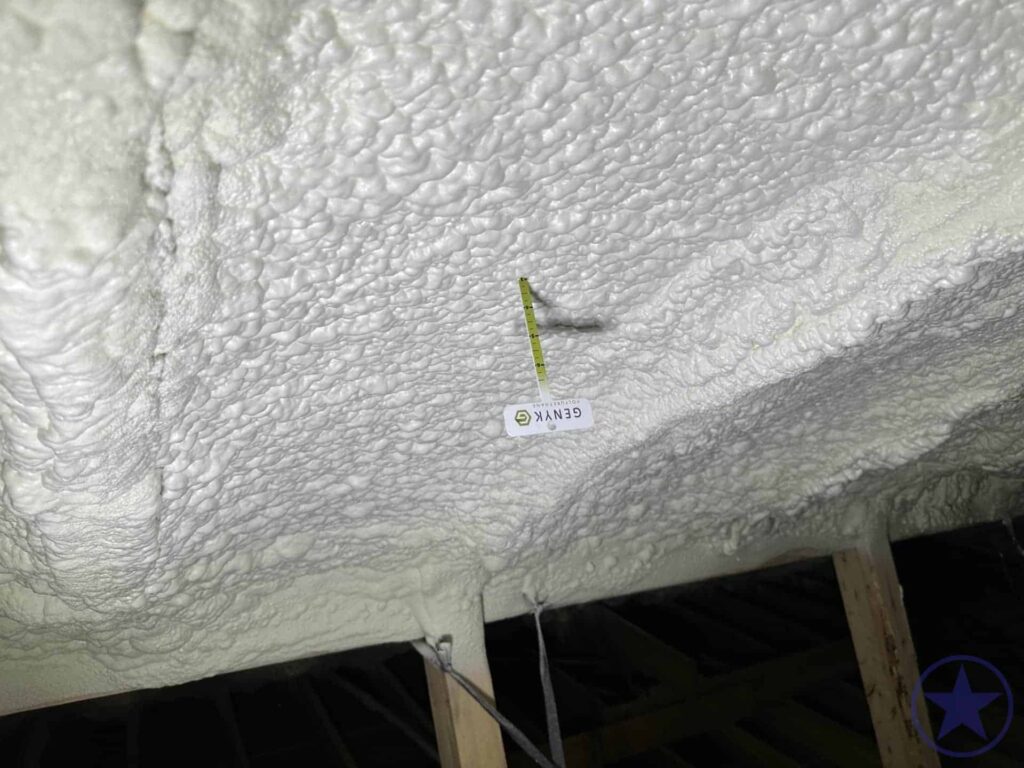
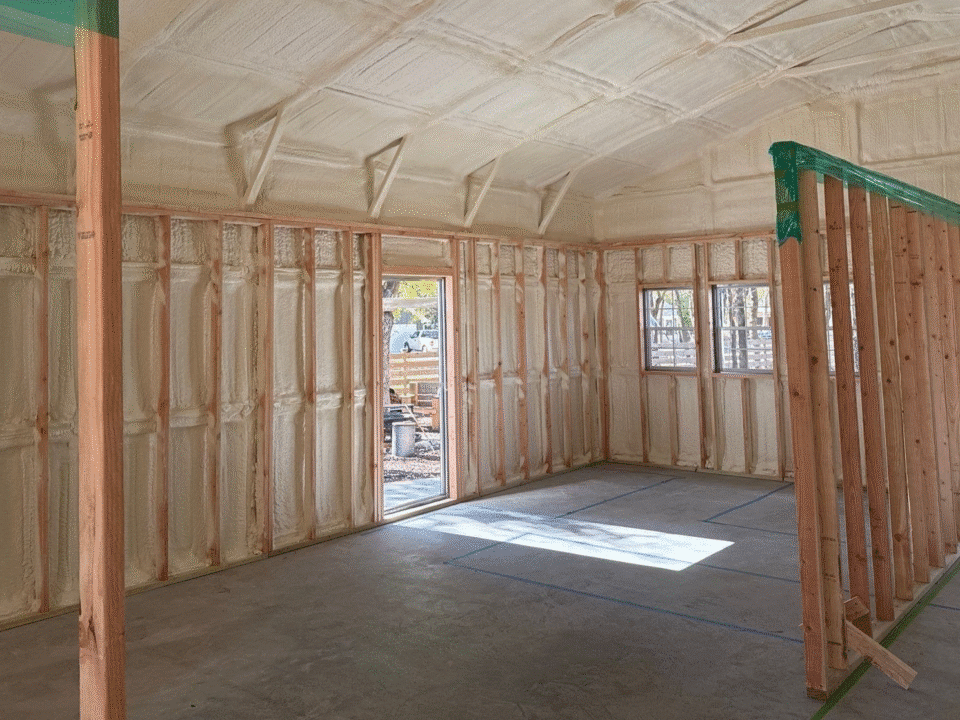
It seals up gaps better than most options, keeps out pollen, dust, and heat from the Texas sun, and boosts energy efficiency in both old retrofits and new builds. Most folks notice lower energy bills after installing spray foam in their exterior walls.
Closed-cell spray foam insulation has an exceptional R-value, which equates to energy efficiency and 15-20% in annual electricity bill savings. The material expands to fill every crack or corner. It acts like a warm blanket for your house or business all year long.
Lone Star Insulation offers clean professional installs with a building-science-first approach throughout Weatherford, Fort Worth, and the Dallas-Fort Worth areas. Crews respect your property by keeping everything tidy during projects, large or small.
Foam Board Insulation
Foam board insulation stands out as a leading option for insulating exterior walls in Texas. Its lightweight panels boast strong thermal resistance. Rigid foam board insulation has a rating of up to R-8 per inch of thickness, making it one of the most effective insulators on the market. This helps lower your energy bills during those relentless summer months and chilly winter snaps.
You can use foam board for both new construction and retrofit jobs, so it fits many building styles. The panels cut easily to fit around outlets or odd-shaped spaces. Proper installation matters here, or air leaks and moisture can sneak in through gaps.
Lone Star Insulation uses a building-science-first approach that shields against these issues, giving your property dependable protection year-round. Foam boards also work well alongside other insulation types if you want even greater energy savings or need flexibility for different wall thicknesses and structures.
Cellulose Insulation
Cellulose insulation provides warmth and additional benefits. Made from recycled paper, it helps the environment while reducing energy bills in Texas homes and commercial spaces.
Lone Star Insulation, LLC has utilized cellulose since 2010 throughout Weatherford and Dallas-Fort Worth, emphasizing clean installations that manage North Texas weather fluctuations. With effective sealing around wires and pipes, this type prevents air leaks more effectively than some conventional options.
Cellulose insulation typically lasts 20 to 30 years, depending on factors like moisture and proper installation. In humid climates like Texas, proper air sealing during installation is critical to maximize its lifespan and performance.
If noise disrupts your environment near busy roads or schools, cellulose can reduce unwanted sounds traveling through your walls. You also receive straightforward service, without pushy sales tactics, and free estimates whenever you call for advice about suitable insulation for exterior walls in Texas.
Rock Wool (Mineral Wool) Insulation
Rock wool, also called mineral wool insulation, works well for exterior walls in Texas. It handles both the summer heat and those rare cold snaps without missing a beat. This material helps manage indoor temperatures by blocking outdoor air, which means you may see lower energy bills if your building is already sealed up tight.
Stone wool insulation can last at least 65 years with no need for maintenance, and is unaffected by weather, humidity, and temperature changes. In our experience at Lone Star Insulation, mineral wool stands up against fire and holds its shape even after years inside wall cavities.
Insulation service providers often recommend rock wool because it resists pests, mold, and moisture. These are key benefits in this part of the country. Building performance analysis points out that using rock wool boosts climate control while keeping noise out.
If you’re considering effective insulation for exterior walls in Texas, mineral wool deserves a spot on your list to explore with qualified installers supporting you throughout the process.
Blown-In Insulation
Blown-in insulation fills every nook and cranny with loose fiberglass material. This method works well in both new builds and retrofits across Texas due to its ability to adapt to all sorts of wall shapes.
Blown-in wall insulation costs $1.10 to $3.70 per square foot or $1,900 to $7,800 to insulate all exterior walls. The insulation type and number of walls impact the total cost. Our team at Lone Star Insulation has spent over 50 years making sure Texas houses gain strong energy efficiency without breaking the bank.
We study each building’s airflow before recommending blown-in solutions, especially where drafts hide in exterior walls. The process is quick. Holes are drilled between studs, and fiber streams in until the area reaches a proper R-value for North Texas weather swings. It’s a straightforward way to help keep those heating and cooling bills from running wild, a practical choice when considering effective insulation for exterior walls in Texas.
Batt Insulation
Batt insulation fits snug between wall studs, making it a smart choice for exterior walls in Texas. It handles the hot summers and chilly winters well if installed with proper air sealing. You get steady comfort and solid energy savings without breaking the bank. Many folks prefer batts because you can cover a lot of space quickly, which speeds up jobs on homes or offices.
Fiberglass and mineral wool insulation do not experience a reduction in thermal performance over time, nor is settling an issue. Tests showed that the average of 8 fiberglass batts between 30 and 40 years old perform at 95.5 percent of the labeled R-value.
Our crew at Lone Star Insulation, LLC has over 50 years of combined experience working with batt insulation options like this. We focus on tight installation to prevent gaps that let heat slip through. That’s something important for Texas weather swings.
Best Insulation for 2×4 and 2×6 Walls
Getting the right insulation for 2×4 and 2×6 walls can feel like picking dessert at a Texas barbecue. There are plenty of choices, but not all will satisfy your home’s appetite for comfort. The recommended R-values will help you choose effective insulation for exterior walls in Texas, so you don’t end up sweating or shivering when your neighbors aren’t.
Recommended R-values for 2×4 walls
For most 2×4 exterior walls in Texas, aim for an R-value between R-13 and R-15. This range helps keep your home cool during brutal Texas summers and warmer in the mild winters. Different insulation types fit these numbers, like batt fiberglass or spray foam insulation, both popular choices among local homeowners looking for effective insulation for exterior walls in Texas.
If you work with older homes that have true two-by-fours instead of today’s thinner boards, make sure to measure before you buy anything. Not all wall cavities are equal. From our work removing old batting from dozens of houses across Dallas and Houston, we encounter everything from rock wool blankets to loose cellulose that was packed too tightly at first install.
You want even coverage without cramming material so hard it loses its insulating value. Think “fluffy pancakes,” not “crushed soda cans.” Proper R-values matter more than product names on a package. Keep those numbers handy next time you’re fixing up or replacing wall insulation.
Recommended R-values for 2×6 walls
Switching gears from 2×4 walls, let’s talk about 2×6 wall insulation. Thicker walls mean you get to use insulation with a higher R-value, which keeps those Texas summers and chilly fronts at bay. According to the 2026 insulation guidance, the minimum recommended insulation for most exterior walls is R-19 to R-21 for 2×6 stud walls, depending on your climate zone.
Filling the whole cavity is key here. Fiberglass batts work well in these wider spaces, as do spray foam or rock wool. Spray foam tends to seal up gaps like a rattlesnake in a hole, keeping outside air out and your cool or warm air inside where it belongs. Stick close to that recommended range for energy savings year-round. Your wallet will thank you every month when that utility bill rolls around.
Conclusion
Choosing effective insulation for exterior walls in Texas takes some thought. Your wall type, budget, and Texas weather all play a part. Spray foam works effectively for sealing gaps, while fiberglass or rock wool offers strong sound control.
Talk with a pro before deciding, as every house has its unique characteristics. Quality insulation keeps your space cool in summer and cozy through those cold snaps, no sweat required. Contact Lone Star Insulation for a free estimate.
FAQs
1. What is the best insulation for exterior walls in Texas?
Closed-cell spray foam is the most effective choice for Climate Zones 2 and 3 because it provides a built-in vapor barrier that stops our heavy Gulf humidity from soaking into your home. It offers the highest R-value per inch and adds structural strength to your walls, ensuring they can handle the unique stress of our weather.
2. Why does Texas need special insulation for exterior walls?
In Texas, we battle “vapor drive,” a process where hot, humid outdoor air constantly tries to force its way into your air-conditioned rooms. If your insulation doesn’t stop this moisture, it can condense inside your wall cavities, leading to hidden mold and rot that standard fiberglass just can’t prevent.
3. How does spray foam compare to fiberglass for Texas homes?
Energy Star reports that air leaks account for up to 40% of the energy used for heating and cooling, which is why spray foam’s airtight seal creates immediate savings. Using fiberglass here is like wearing a wool sweater in a windstorm; it might be thick, but the air blows right through it.
4. Can I use different insulation types for exterior walls in Texas?
While you can use alternatives like rigid foam board, they are notoriously difficult to tape perfectly, meaning they often leave invisible gaps that let our brutal summer heat bypass your insulation entirely.


 Kristen Hull


 Elizabeth Clymer
 Chuck Lee
 Creeks Edge Cottages
 Eric Rohlfing
 Billy Atwood
 Leonard Sanmann
 jennifer westbrook
 Missy Alcocer
 B R
B R