Most homeowners don’t wake up thinking about insulation. It’s usually something that comes up later, after a summer that feels longer than it should or a winter bill that quietly creeps higher every month. You adjust the thermostat, blame the HVAC system, and maybe even assume the house is just old and difficult. But very often, the real issue is hidden above the ceiling and inside the walls.
Attic and wall insulation don’t get much attention because they work silently. When they’re doing their job well, you barely notice them. When they’re not, everything feels harder, cooling, heating, comfort, and costs. That’s where long-term energy savings really begin.
Why Insulation Plays Such A Big Role In Energy Efficiency
A home doesn’t lose energy all at once. It leaks slowly, hour by hour, through gaps, thin insulation, and underperforming areas. Attics are especially important because heat naturally rises, and walls come next because they make up the largest surface area between your living space and the outdoors.
The U.S. Department of Energy estimates that homes can lose up to 30 percent of their heating and cooling energy due to inadequate insulation and air leaks. That loss adds up over time, not just in higher bills, but in wear on systems and uneven comfort throughout the house. Proper attic and wall insulation helps slow that energy escape and keep indoor temperatures more stable.
Benefits of Attic and Wall Insulation
Lower Energy Bills That Hold Steady Over Time
The most immediate benefit homeowners notice after improving attic and wall insulation is a reduction in energy costs. When insulation limits heat transfer, your HVAC system doesn’t need to run as often or as long to maintain a comfortable temperature. Over time, this leads to lower monthly utility bills and fewer seasonal spikes during extreme weather.
According to ENERGY STAR, homeowners can save an average of 15 percent on heating and cooling costs by properly insulating and air sealing their homes. In regions with long, hot summers or unpredictable winters, those savings tend to be even more noticeable. The key difference is that insulation savings are consistent. They don’t depend on habits or schedules. Once installed correctly, they keep working year after year.
Improved Comfort Throughout The Home
Many people assume temperature issues are normal, especially in older homes. One room feels stuffy, another stays cold, and the thermostat never quite reflects how the house actually feels. These problems often point back to missing or poorly performing insulation.
Attic and wall insulation help create a more balanced indoor environment by reducing temperature swings and limiting outdoor influence. Rooms feel more consistent, drafts are reduced, and the house becomes easier to live in day to day. Comfort improves not because anything dramatic changes, but because the home finally holds onto the air you’re paying to condition.
Reduced Strain On Heating And Cooling Systems
Energy loss doesn’t just affect comfort and costs, but it also affects your equipment. When warm or cool air escapes easily, HVAC systems have to work harder to compensate. That extra workload can shorten system lifespan and increase the likelihood of repairs.
With effective attic and wall insulation in place, heating and cooling systems operate more efficiently and cycle more naturally. Over time, this can lead to fewer breakdowns, lower maintenance costs, and delayed replacement. The Department of Energy consistently emphasizes insulation as one of the most cost-effective ways to improve overall system performance.
Long-Term Value That Goes Beyond Monthly Savings
Insulation is not a short-term upgrade. Unlike appliances or mechanical systems, it doesn’t become outdated quickly or rely on new technology. Once installed properly, it continues delivering value quietly in the background.
For homeowners planning to stay long term, this means predictable energy costs and improved comfort. For those considering selling in the future, energy-efficient features like updated attic and wall insulation can make a home more attractive to buyers who are increasingly aware of utility expenses and sustainability.
Better Moisture Control And Indoor Air Quality
While insulation is often discussed in terms of temperature, it also plays a role in moisture management and indoor air quality. Proper insulation, especially when combined with air sealing, helps limit humidity infiltration and reduces the movement of outdoor pollutants into the home.
The Environmental Protection Agency notes that improved insulation and air sealing can contribute to healthier indoor air by reducing drafts, moisture buildup, and pollutant entry. This is particularly important in climates where humidity levels fluctuate, and moisture-related issues can develop over time.
Making Attic And Wall Insulation Work Effectively
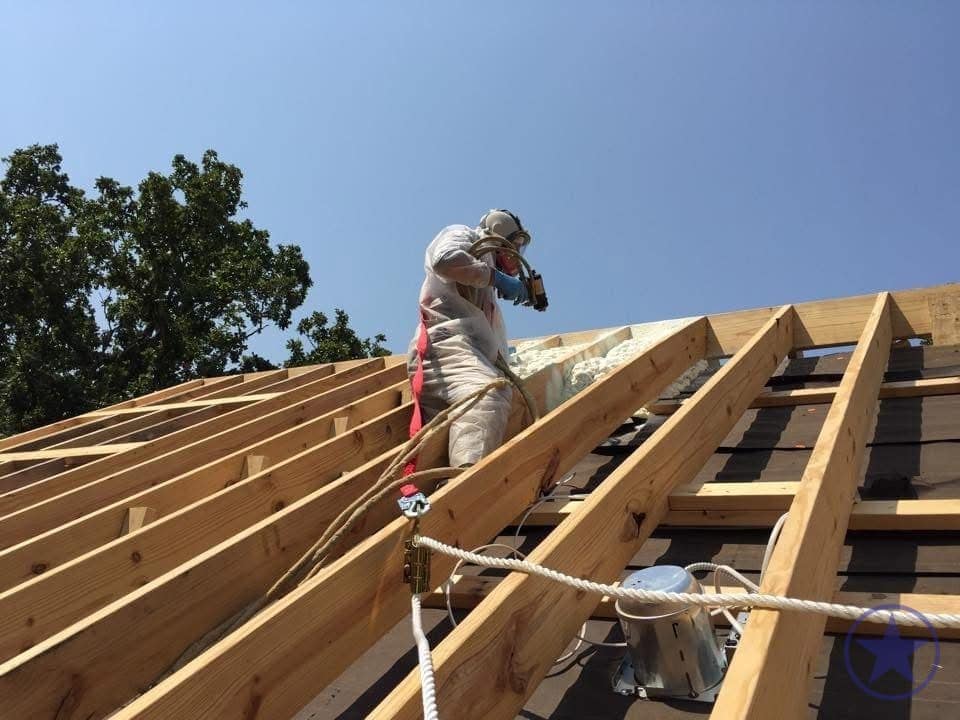
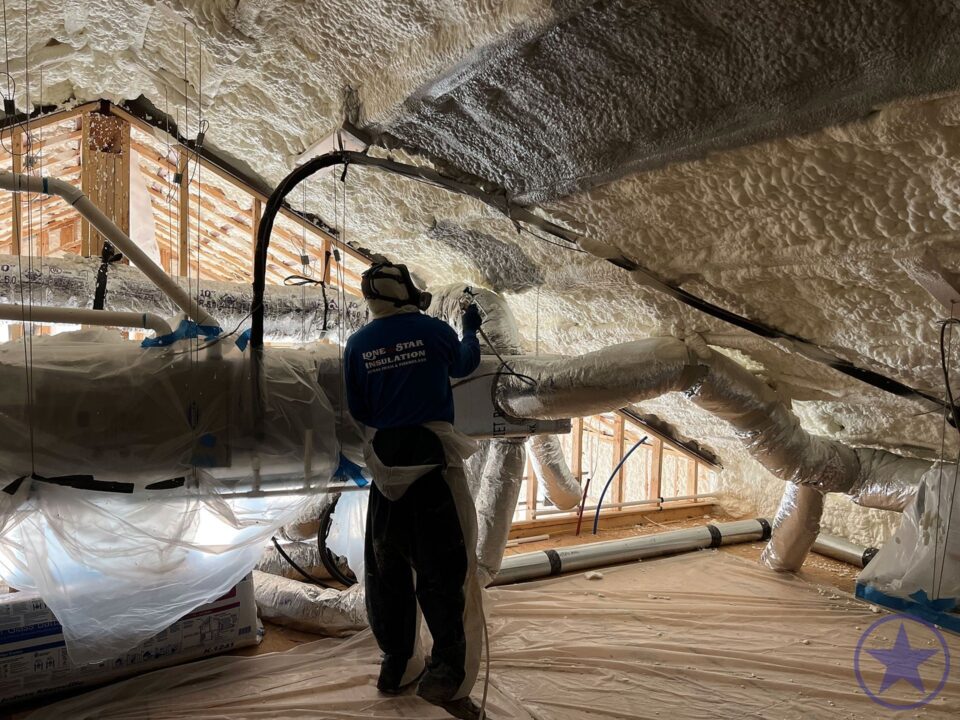
Not every home needs the same insulation solution. Attic insulation often offers the quickest return on investment, especially when existing materials are thin or deteriorated. Wall insulation can be more complex, but it can significantly improve comfort and efficiency when done correctly.
The most important step is understanding where energy loss is happening and choosing insulation types and installation methods that suit the home’s structure and climate. A thoughtful approach always delivers better results than a one-size-fits-all fix.
Final Words
Attic and wall insulation rarely get credit for how much they improve a home, mostly because they don’t call attention to themselves. But over time, the benefits become clear through lower energy bills, better comfort, and systems that last longer.
If long-term energy savings are the goal, insulation is often the smartest place to start. It doesn’t change how your home looks, but it can quietly change how it feels and how efficiently it runs for years to come. Contact Lone Star Insulation for once to know about expert insulation services.
Frequently Asked Questions
How does attic insulation help reduce energy bills?
Attic insulation slows heat transfer between your home and the outside environment. By keeping hot air out during summer and warm air inside during winter, it reduces HVAC workload. This leads to lower energy usage and more consistent monthly utility bills over time.
Is wall insulation worth it in older homes?
Yes, wall insulation can significantly improve comfort and energy efficiency in older homes. Many older properties have little or degraded insulation. Adding or upgrading wall insulation helps reduce drafts, stabilize indoor temperatures, and lower heating and cooling costs year-round.
What type of insulation is best for long-term energy savings?
The best insulation depends on your home’s structure, climate, and existing materials. Common options include fiberglass, cellulose, and spray foam. Each offers different benefits, but proper installation and coverage matter more than the material alone for long-term savings.
How often should attic and wall insulation be replaced or upgraded?
Insulation doesn’t always need replacement, but it should be inspected every 10 to 15 years. Signs like rising energy bills, uneven temperatures, or moisture issues may indicate it’s time to upgrade attic or wall insulation for better performance.


 Kristen Hull


 Elizabeth Clymer
 Chuck Lee
 Creeks Edge Cottages
 Eric Rohlfing
 Billy Atwood
 Leonard Sanmann
 jennifer westbrook
 Missy Alcocer
 B R
B R