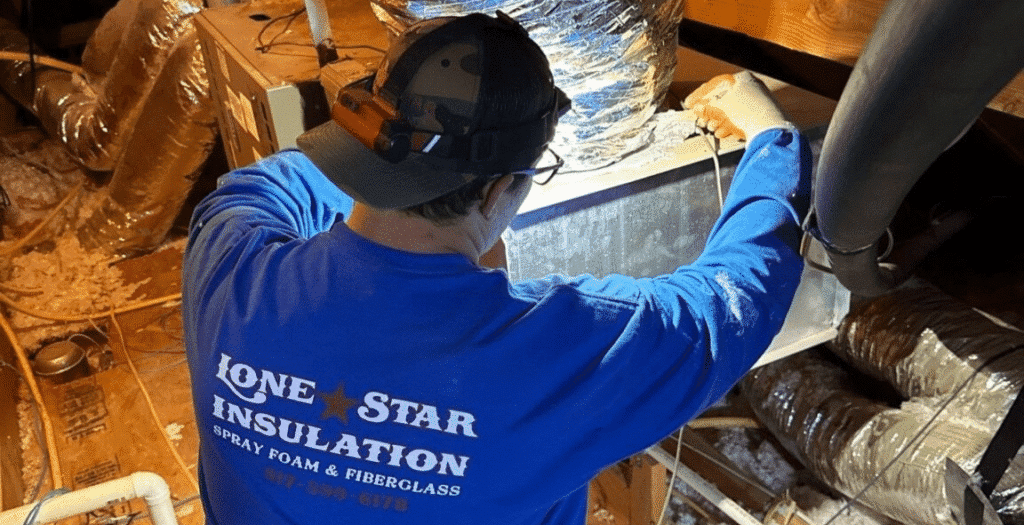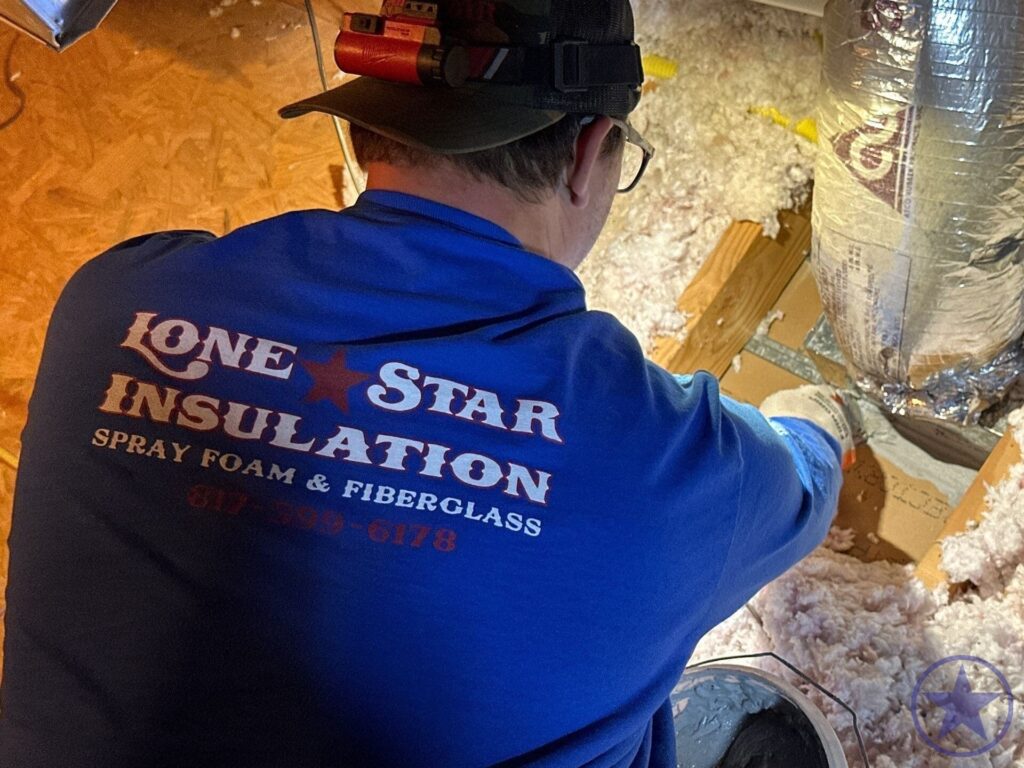
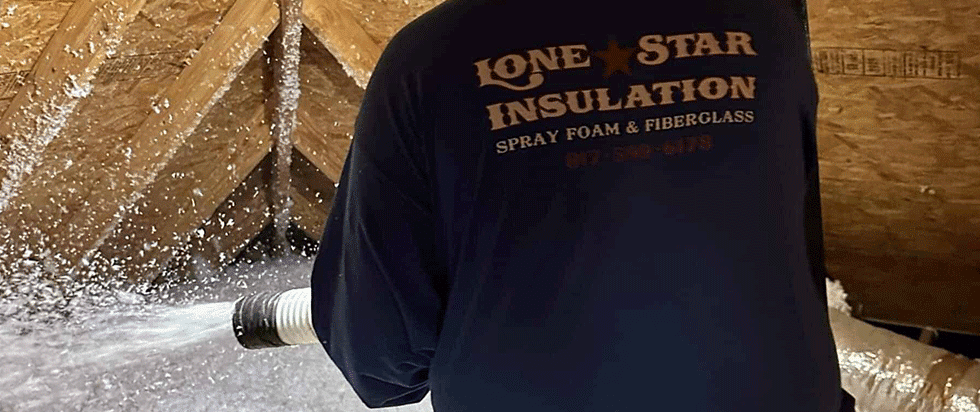
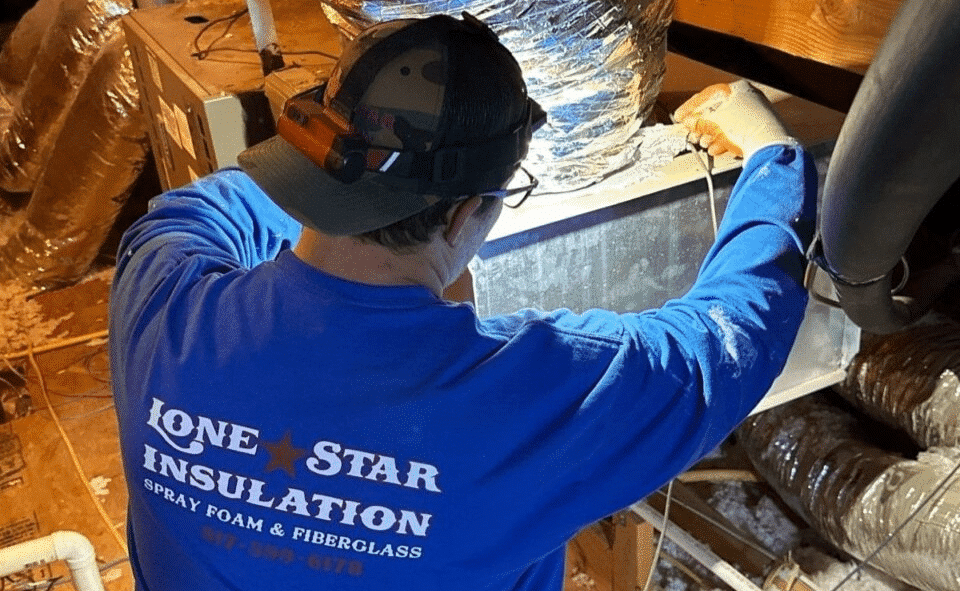
Upgrading attic and wall insulation is one of the quickest ways to make a home feel more stable, cooler in summer, and less drafty in winter, because it reduces both heat transfer and unwanted air leakage when the job is scoped correctly. Most homeowners don’t start searching for an attic and wall insulation contractor in Weatherford because they love home projects. They do it because the house is uncomfortable, the HVAC runs nonstop, or one side of the home never matches the thermostat.
This guide is written for that exact situation. You’ll get the real benefits, the common mistakes, and a simple decision plan, so your upgrade solves the problem you actually have.
Why Do Attic And Wall Upgrades Matter So Much In Weatherford?
Local factor: Weatherford sits in Parker County, which is listed as IECC Climate Zone 3 (Hot-Humid) in an IECC-by-county dataset (and it aligns with how much cooling dominates most of the year).
Proof-of-human check (2 minutes):
- Put your hand near the attic access, recessed lights, and the top of a stairwell on a hot afternoon.
- If you feel warm air moving, you don’t just need “more insulation.” You likely need targeted air sealing first.
Common mistake: Homeowners add insulation on top of attic bypasses (wiring holes, plumbing penetrations, open chases). The insulation helps, but the air leaks keep feeding heat and humidity into the living space.
What Benefits Show Up First After Upgrading Attic & Wall Insulation?
Here are the benefits most Weatherford homeowners notice first after upgrading Attic and wall insulation (in the right order):
More even temperatures
Decision rule: if one room is always hotter/colder than the rest, start by checking attic insulation depth above that room and air leaks around ceiling penetrations.
Lower “run time” strain on HVAC
ENERGY STAR cites an average estimate of about 15% savings on heating and cooling costs when homeowners air seal and add insulation in key areas (attics, floors over crawl spaces, rim joists). That’s not a promise for every home, but it’s a solid benchmark for why this upgrade ranks high.
Fewer drafts and less dust transfer
Quick checklist: if you see dust streaks near baseboards or feel air at outlets on exterior walls, wall cavities, and leakage paths may be part of the issue, not just the attic.
Better comfort in “edge spaces.”
Think: rooms over garages, finished bonus rooms, and west-facing bedrooms that take the brunt of the afternoon sun.
When Should You Prioritize The Attic Vs The Walls?
If you’re trying to choose where to spend first, here’s the non-glamorous truth:
Start with the attic when:
- Upstairs rooms are the problem
- You have low insulation depth or obvious gaps
- Your HVAC is in/near the attic
Common mistake: Insulating the attic but ignoring the attic hatch, an uninsulated, leaky hatch can undo a lot of good work.
Prioritize the walls when:
- One side of the house stays hot (sun exposure) even after attic work
- You have older construction with inconsistent wall insulation
- You feel drafts at outlets or along exterior walls
Decision rule: if the attic is already in good shape but rooms on exterior walls still swing, walls become the next lever.
This is why combining attic and wall insulation often produces the “finally, this feels right” result.
What Materials Work Best For Attic And Wall Insulation Here?
Local factor: In a hot-humid zone, air sealing details matter as much as R-value. (You don’t want to trap problems; you want controlled airflow and a tight envelope.)
Quick comparison (not brand-specific, just practical):
- Blown-in (fiberglass/cellulose): Great for topping up attics and leveling coverage.
- Batts: Useful in open wall cavities during remodels, but performance drops fast if installed with gaps/compression.
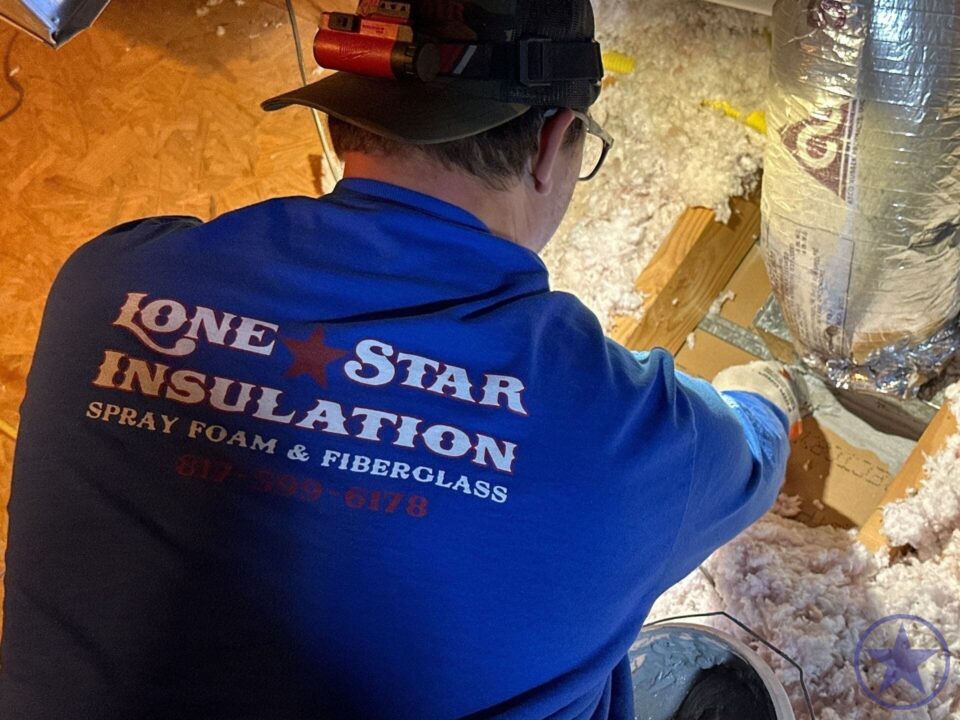
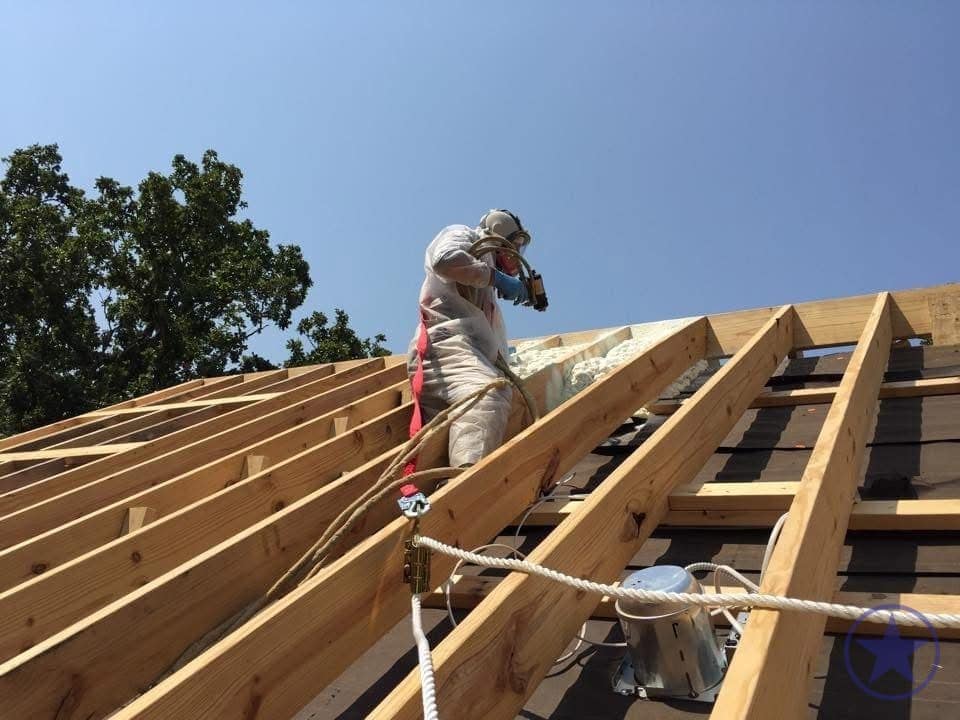
- Spray foam: Excellent for targeted air sealing (rim joists, penetrations) and certain attic assemblies, done by a pro with proper ventilation and jobsite controls. EPA has ventilation guidance for spray polyurethane foam application.
What Actually Drives Cost And Timeline In The Real World?
Here’s the simple table homeowners actually need, because “square footage” isn’t the whole story.
| Cost/timeline driver | Why it matters | Quick homeowner clue |
| Access (attic height, tight areas) | Slows install + increases labor | Low-clearance attic, cramped eaves |
| Air sealing complexity | More detailed work before insulation | Many ceiling penetrations, old can lights |
| Existing insulation condition | Removal/cleanup can be required | Wet, matted, rodent-contaminated |
| Wall type and retrofit method | Walls are harder than attics | Finished drywall vs open studs |
| Duct location and leaks | Sealing ducts can boost results | Uneven rooms + ducts in attic |
Weatherford note: If your ducts run through a hot attic, pairing attic and wall insulation with duct sealing often improves comfort faster than insulation alone (especially in the rooms farthest from the air handler).
When Should Old Insulation Be Removed Before Upgrading?
Insulation removal isn’t always necessary, but sometimes it’s the smartest first step.
Remove first if:
- Insulation is wet, moldy-looking, or compacted and falling away
- You suspect rodent activity/odor
- You need clear access to air seal top plates and penetrations correctly
Common mistake: “Cap it and forget it.” If the old layer is contaminated or hiding major bypasses, adding new insulation can lock in bad conditions and still leave leakage untouched.
What Does The Upgrade Process Look Like?
This is the sequence a good attic and wall insulation contractor in Weatherford should follow:
Assessment
Measure attic depth, check duct location, scan for bypasses and comfort complaints by room.
Air sealing
Seal top-plate gaps, penetrations, and attic access points before adding material (this is where the comfort jump often comes from).
Install insulation
Choose the right material for the assembly (attic top-up vs walls vs targeted foam). Install for full, even coverage, no gaps, no compression.
Verification
Re-check coverage depth, confirm the attic hatch is insulated/sealed, and spot-check “problem rooms” for improvement.
Conclusion
The “top benefits” of upgrading attic and wall insulation come down to one thing: fixing the parts of the building envelope that your HVAC can’t overcome, especially in Weatherford’s long cooling season. If you want fewer hot rooms, less cycling, and a home that holds temperature the way it should, start with assessment + air sealing, then install the right insulation where it matters most.
For a local evaluation and a clear scope, contact Lone Star Insulation to inspect your attic, wall opportunities, and duct/leak priorities.
FAQs
Is upgrading Attic and wall insulation worth it in Texas?
If your home is uncomfortable or your HVAC runs constantly, it’s often one of the most impactful envelope upgrades. ENERGY STAR’s modeling-based estimate shows meaningful average savings when air sealing and insulation are done together.
Does wall insulation actually make a difference?
Yes, especially for west-facing rooms, bonus rooms, and older homes with inconsistent cavity fill. Walls can be the “last mile” once the attic is handled.
Should I air seal before adding insulation?
Usually, yes. Air leaks can bypass insulation, so sealing first tends to make the insulation perform closer to its rated potential.
Do I need to remove old insulation first?
Only if it’s contaminated, wet, or blocking proper air sealing. Otherwise, many attics can be sealed and topped up effectively.
How long does an insulation upgrade take?
Straightforward attic upgrades can often be completed quickly, but removal, tight access, and wall retrofit methods change timelines.
Can duct sealing help uneven temperatures?
It can, especially when ducts run through an attic and leak conditioned air before it reaches far rooms. Pairing duct sealing with attic improvements is a common “double win.”
Is spray foam safe?
During installation and curing, it should be treated as a controlled work zone with ventilation and exposure controls. EPA provides ventilation guidance for spray polyurethane foam application.
Are there tax credits for insulation upgrades?
Federal credits may apply for qualifying insulation and air sealing materials (rules and caps apply; keep receipts and consult a tax professional). IRS guidance covers the Energy Efficient Home Improvement Credit details.


 Kristen Hull


 Elizabeth Clymer
 Chuck Lee
 Creeks Edge Cottages
 Eric Rohlfing
 Billy Atwood
 Leonard Sanmann
 jennifer westbrook
 Missy Alcocer
 B R
B R